

Everybody Wants India
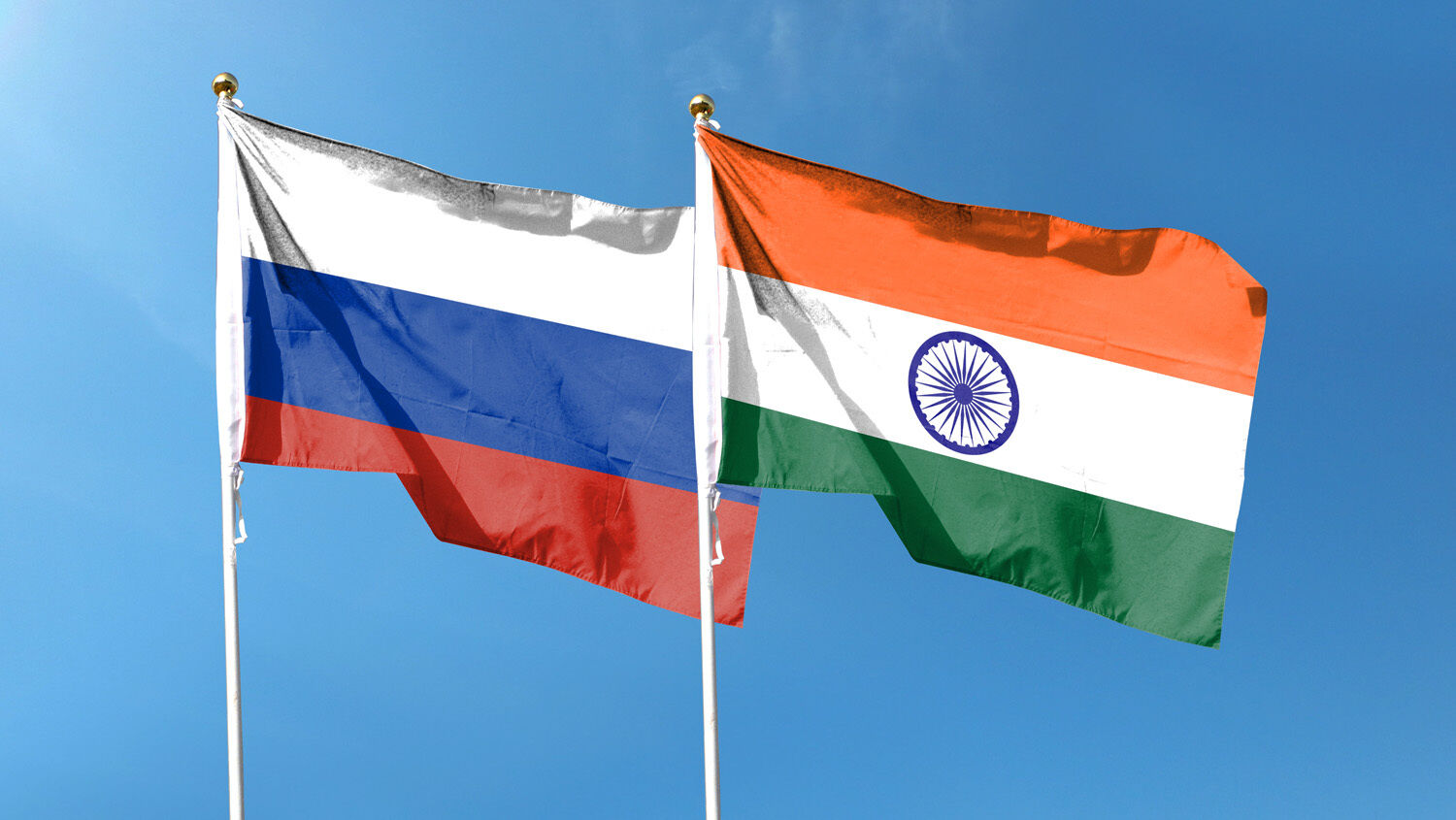
India and Russia are great friends, and they don’t try to hide it. The two openly trade vital necessities, and both are part of the brics economic bloc. However, there’s a problem: Russia is a brutal country, despised and feared by the West, and currently butchering soldiers and civilians alike in Ukraine. This has caused tension in other nations’ relations with India.
The United States made its opinion known about the Indian-Russian relationship in August when President Donald Trump signed legislation raising tariffs on Indian goods to 50 percent. He made his motive clear in a social media post:
India is not only buying massive amounts of Russian oil, they are then, for much of the oil purchased, selling it on the open market for big profits. They don’t care how many people in Ukraine are being killed by the Russian war machine. Because of this, I will be substantially raising the tariff paid by India to the U.S.A.
The European Union, like the U.S., talks a lot about isolating Russia economically. For Europe, this is even more important because of its proximity to the Russian bear.
Yet seemingly overnight, it seems the world no longer cares about India’s partnership with Russia. Focusing instead on the benefits of relations with India, nations are seeking reasons to become India’s friend. Even China, a long-standing and vicious enemy of India, said on January 26 that the two nations are “good neighbors, friends and partners.”
The world’s apparent blind eye to India’s friendship with Moscow is significant. This whole situation not only shows a weakness in the U.S. that will come back to bite it unless remedied, but it could become a defining factor in the creation of international alliances—the likes of which we’ve never seen before.
The United States
On February 2, President Trump announced that the U.S. and India had reached a trade deal that would lower U.S. tariffs on Indian goods to 18 percent. He said that, as part of this deal, India had agreed “to stop buying Russian oil” and shift to sourcing more oil from America and Venezuela.
However, India has seemingly made no moves to stop buying Russian oil. When India confirmed the deal with the U.S., it made no mention of plans to halt these trades. Additionally, the day after the deal was announced, Russia said it had received no notification from India that it planned to halt Russian oil imports.
When asked about President Trump’s comments and India’s policy on Russian oil imports, Indian Foreign Ministry spokesman Randhir Jaiswal danced around the question, responding that “ensuring the energy security of 1.4 billion Indians is the supreme priority of the government. Diversifying energy sourcing and keeping with objective market conditions and evolving international dynamics is at the core of our strategy to ensure this. All of India’s decisions are taken, and will be taken, with this in mind.”
To summarize: First, the U.S. threatened significant tariffs on India for continuing to trade with Russia as it wars against Ukraine. Many saw this as a welcome change to the U.S.’s previous strategy of appeasing Russia in an attempt at peace. It may have been preferable to take strong action against Russia instead of threatening one of its allies, but at least it showed some backbone.
Second, India decided it would rather accept U.S. tariffs than stop its trade with Russia, showing strong loyalty to Moscow. Third, the U.S. drops its tariffs on India even though it seems there’s no solid evidence that India actually plans to stop buying Russian oil.
Did the mighty U.S. capitulate to India? It seems so; that means Washington cares more about its relationship with New Delhi than standing up to Russia. By easing tariffs on India before India stops trade with Russia, the U.S. is helping Russia’s war in Ukraine secondhand. This deal may leave a significant mark on American prestige.
Europe
The EU, which is more scared of Russia than the U.S., made a massive trade deal with India on January 27.
We concluded the mother of all trade deals today. Our EU-India agreement is making history: the world’s second- and fourth-largest economies coming together for a trade deal between giants.
—Ursula von der Leyen, president of the European Commission
This is shocking for a few reasons. The EU signed this deal before the U.S. promised to ease tariffs on India. This deal could be the reason the U.S. decided to court India, not wanting to lose India to Europe.
The EU is buying Russia’s oil through India. U.S. Treasury Secretary Scott Bessent criticized the EU “for putting the trade deal and their commercial interests ahead of Ukrainian people.” He explained, “Russian oil goes into India, the refined products come out, and the Europeans buy the refined products. They are financing the war against themselves.”
One would think Europe would be much less inclined to make such a deal. The EU claims it’s trying to give India an alternative to Russia, but there’s no solid evidence that India is looking for alternative partners.
On the other hand, several EU officials seem to condone India’s relationship with Russia.
We know that India and Russia have a long-standing relationship, and I don’t think they can simply cut ties overnight. … I think it’s important for the EU to engage, to express our concerns, but also try to understand their perspective and interests.
—Angelika Niebler, chair of the Delegation for Relations With India at the European Parliament
Former German Defense Minister Karl-Theodor zu Guttenberg said in his February 5 newsletter:
It would be negligent to ignore the most populous country on Earth. India, a nuclear power, has just concluded a comprehensive free trade agreement with the EU and stood up to the U.S. in the tariff dispute. Despite possible concessions to Trump, India is maintaining its relations with Russia and sees itself as a pillar of new international groups such as brics. All of this will help to further develop India’s enormous potential.
Where This Is Leading
America’s capitulation to and the EU’s deepening ties with India, despite Russia’s war in Ukraine, fall into major trends the Trumpet has warned about for decades. Specifically, we’ve said growing American weakness would give way to the rise of other powers—specifically out of Europe and Asia. In addition, we’ve long drawn attention to the growing relationship between the EU and India.
We have watched these trends because the Bible prophesies these events will take place.
The book of Ezekiel contains prophecy for our modern time. Ezekiel 27 foretells of a massive economic alliance forming today. By learning the modern identities of the biblical peoples mentioned here, we can know who will be in this alliance. Notably, our literature proves that “Tyrus” refers to a united Europe and “Phut” refers to India. Russia, China and other Asian powerhouses will also be included in this alliance. The U.S., however, will not be included.
Europe and Asia are growing economically closer to stand independent from the U.S. Should Europe get India on its side, it could tip the economic balance of power in its favor. And Europe’s goals do not end there. Your Bible says these two massive trade blocs will be hostile to Washington. What follows will be the worst time of suffering humanity has ever experienced.
This earthshaking calamity is quickly approaching. To learn more, read our Trends article “Why the Trumpet Watches the Development of a Massive Anti-American Trade Bloc.”


