

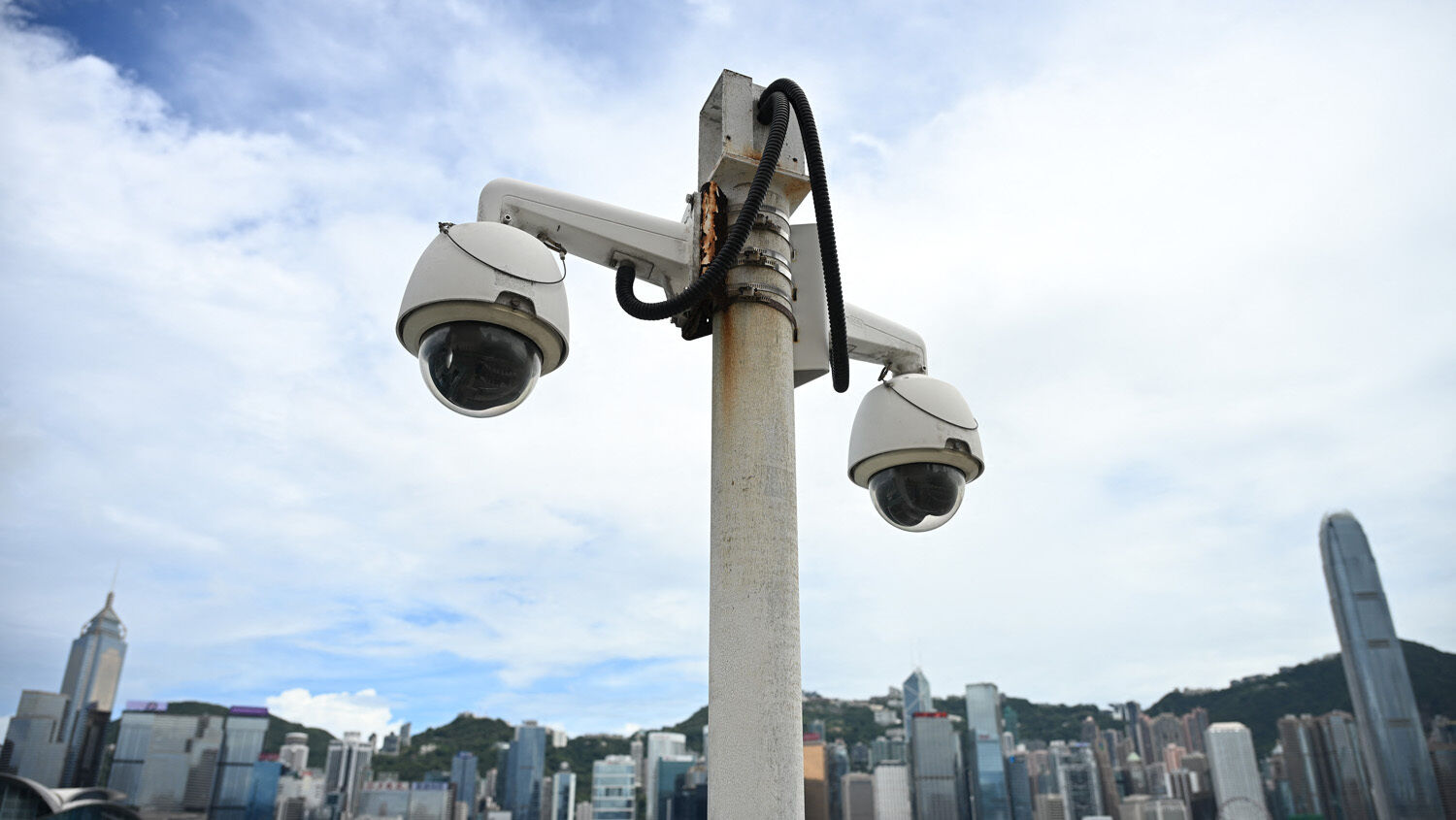
Chinese Surveillance in the Solomon Islands
In a historic first, China has begun piloting its Fengqiao rural surveillance monitoring system abroad. The targeted nation is the Solomon Islands, which has courted China since the two nations signed a security pact in 2022. According to Reuters, Chinese police and security services have “visited several villages this year promoting the Fengqiao concept.”
Expanding such an authoritarian program indicates China’s increasing presence and the waning reach of historic partners such as the United States or Australia. This transition of influence also plays into the fulfillment of Bible prophecies that speak of powers such as China dominating the globe and isolating nations in the West.
Ben Hillman, director of the Australian Center on China in the World at Australian National University, described the “Fengqiao experience” to Reuters as a grid system where each grid manager is responsible for “monitoring blocks of households” in Chinese villages. It has also been described as “grassroots governance.”
The surveillance is supported by mass fingerprinting and data collection. It was first implemented in China in the 1960s by Mao Zedong to surveil China’s vast rural areas. General Secretary Xi Jinping has reinvigorated it. Though touted by Chinese officials as a way to help locals govern themselves, critics highlight the power it gives Beijing to crack down on dissent, identify critics, and smother freedom of speech. The Fengqiao experience just outsources the spying to locals.
The Solomon Islands’ population of 820,000 residents is scattered over more than a thousand islands. The nation is perhaps best known for the intense combat that took place in and around Guadalcanal and the Coral Sea during World War ii.
Today a different battle is being waged as East and West vie for influence, primarily through financial and humanitarian incentives. The Pacific islands are the front lines of China’s southerly expansion.
China’s move to implement surveillance abroad has some in the Solomon Islands and Australia fearing a new escalation in its efforts.
One of the first villages to test the program is Fighter One—a settlement on the outskirts of the capital, Honiara.
According to Reuters, Chinese officials have also approached 16 villages on the nation’s second-largest island, Malaita. The choice of location has increased suspicions: Malaita was the scene of large anti-China protests in 2021 when the Solomon Islands bowed to Chinese pressure to officially recognize Taiwan as Chinese land.
Malaita is also the most populous island and is home to some of the nation’s most outspoken anti-Chinese politicians.
Some rightly fear Beijing’s ability to harness Fengqiao for its own data collection. The fact that the effort was not approved by the Solomon Islands government also has critics worried that China has been given too much free rein by the pro-China administration of Prime Minister Jeremiah Manale.
So far, the Australian government has not commented on the authoritarian pilot program now being run on its doorstep. Even if Canberra does act, it may find itself fighting more than China’s strong influence. God backs Bible prophecy. And Chinese expansion in the Pacific plays into the fulfillment of various biblical promises.
Isaiah 23 describes a prophetic “mart of nations” that will form an economic alliance to exclude many nations in the West, including America, Britain and Australia. One key player in this alliance is called “Chittim”—the ancient name for China.
In dominating the Solomon Islands, China is expanding its control over a crucial sea base, threatening Australia and choking off its trade. Read “Has China Bought the Solomon Islands?” to learn more.


