

Generation Me
How can young people overcome their unparalleled selfishness?
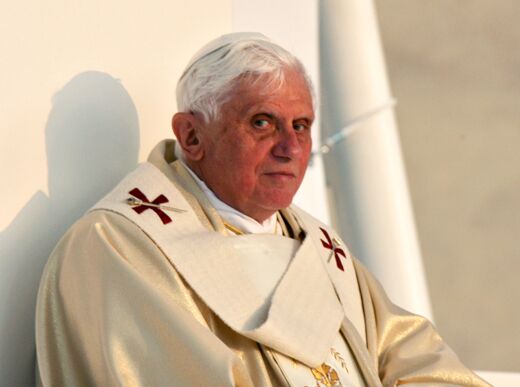
The Real Pope Emerges
Following what appeared to be a conciliatory approach to the first year of his papacy, Pope Benedict XVI is quickly reverting to his classic ultra-conservative persona.

Campus Massacre Forewarns of Global Crusade
As press and public focus on the latest horror of campus massacres, a danger of far greater proportions looms across the Atlantic.
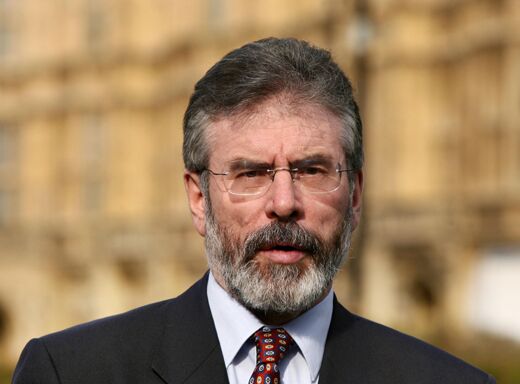
From Terrorists to Politicians
In Northern Ireland, terrorists graduate to legitimate politics.
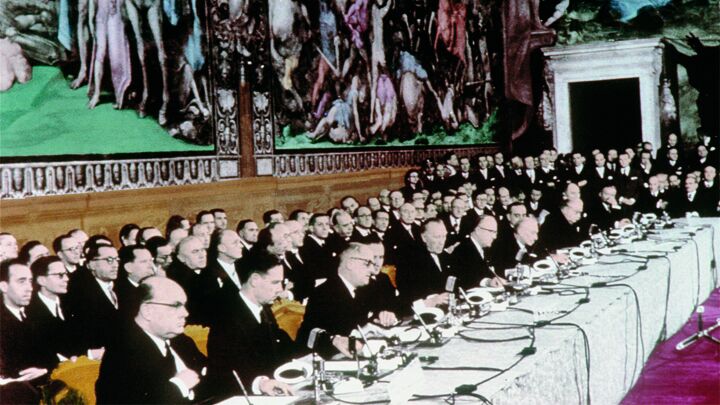
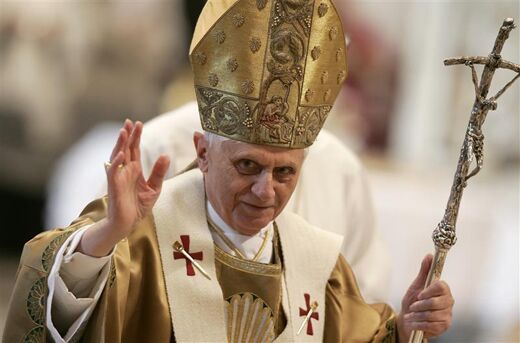
Will the European Union Ever Be United?
One word describes the division of opinion over the EU as its 50th anniversary passes: confusion.

EU Anniversary—Crisis Before Solution?
Was the 50th anniversary of the European Union the greatest non-happening in European Union history—or is it literally creating the crisis that will yet provide the strong leader that it pines for?
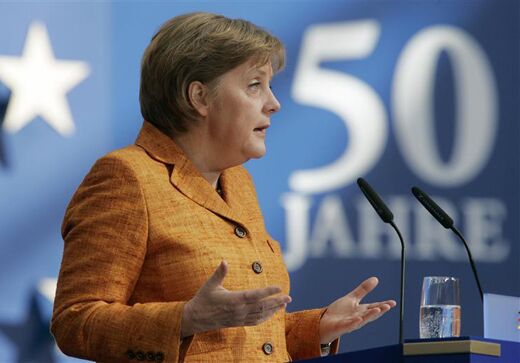
EU Disharmony on Eve of Anniversary
Germany’s plans for a display of unity at the 50th anniversary celebrations of the European Union are falling apart on the eve of the big party.

The Ugly Transition from Generation X to Generation Y
What will it take for the young generation to overcome its unparalleled selfishness?
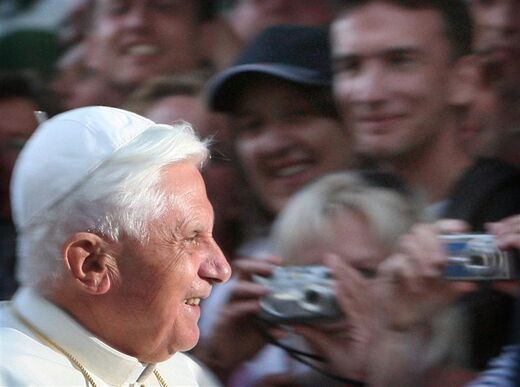
Religion and the Power of the Media
Religion and politics make a rich mix. Throw in the power of mass media, and you have a means of shaping public opinion second to none.
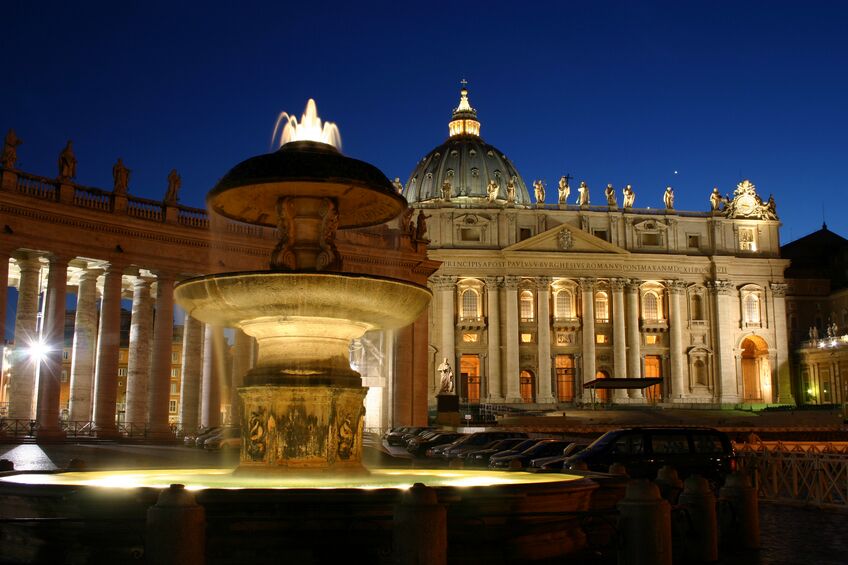
Religion and the Power of the Media
Televangelists have long known and exploited its power. Religion and the mass media are potent forces that, when combined, can influence the behavior of the masses.

Education, Hitler’s Law and Judges’ Decisions
Parents are fast losing their right for a say in the education of their offspring.
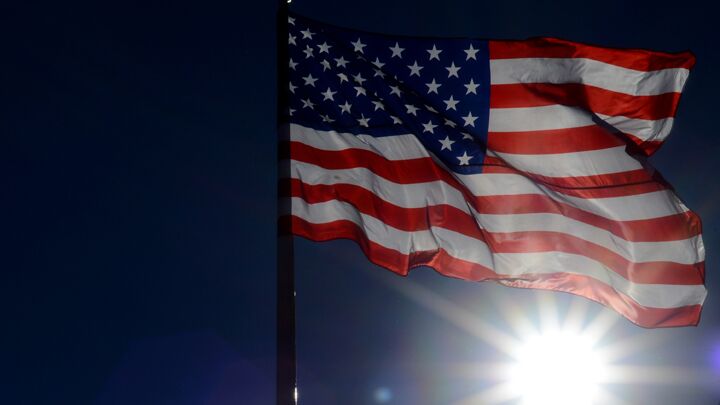
The Great Global Power Transfer
Ten years of news watching reveals a definite trend, and it’s not to the advantage of the American and British peoples.
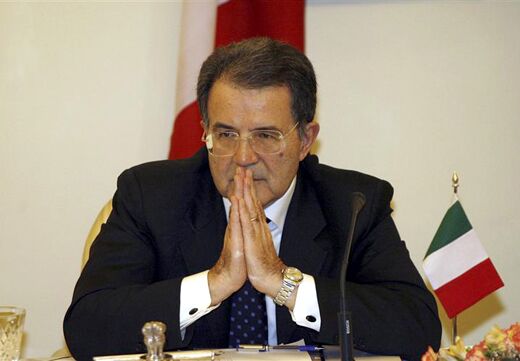
Prodi Bows to Papal Pressure
Last week’s events in Italy should be a real lesson to those who doubt the power of the papacy to intervene in and significantly influence world politics.
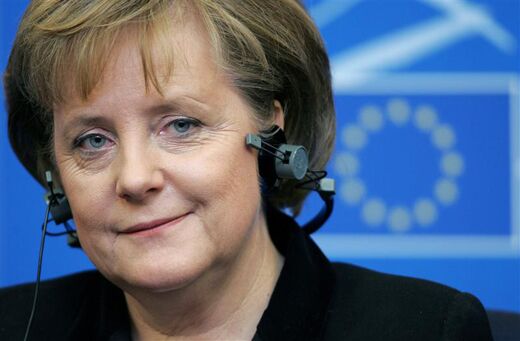
What Europe Is Really Celebrating
The golden anniversary of the Treaty of Rome is next month. Can Europe finish the unification project it started 50 years ago?
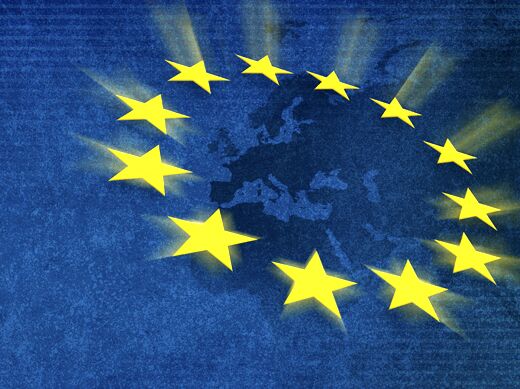
What Europe Is Really Celebrating
In March, Europe will celebrate the 50th anniversary of the Treaty of Rome, the document that started the project of European unity. The goals of the EU’s founding fathers are worth remembering.
Is a World Dictator About to Appear?
This headline gripped the attention of a handful of readers of the first edition of the world’s then-newest current affairs magazine, way back in February 1934. Over six decades later, we review many of the predictions made by the Plain Truth magazine and its founder, Herbert W. Armstrong, and find unerring accuracy in the forecasting of events leading to the rise to global dominance of the present European Union.
Remember
Decades of accuracy in global forecasting
Atlantic Rift
Why the U.S. and Europe can’t be friends forever
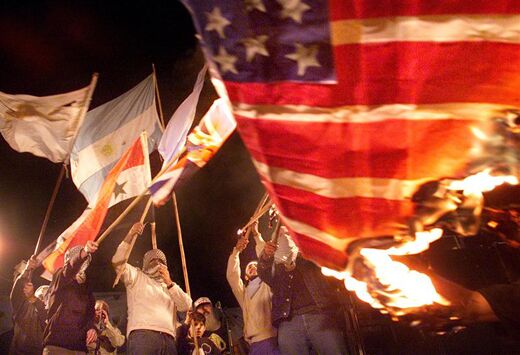
The Great Global Power Transfer
Ten years of news watching reveals a definite trend, and it’s not to the advantage of the American and British peoples.

U.S. Enemies Align With Cuba to Claim Gulf Oil
While politicians and environmentalists stifle U.S. access to oil off Florida’s coast, Cuba encourages exploitation by competitors of the U.S.
The Changing Face of Germany
Tracing the militaristic history of this rising European powerhouse
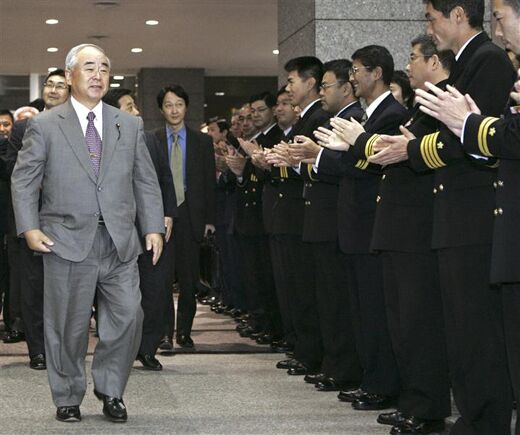
Japan—on the Rise Again
Two recent events highlight Japan’s move from postwar contrition to reviving nationalism.
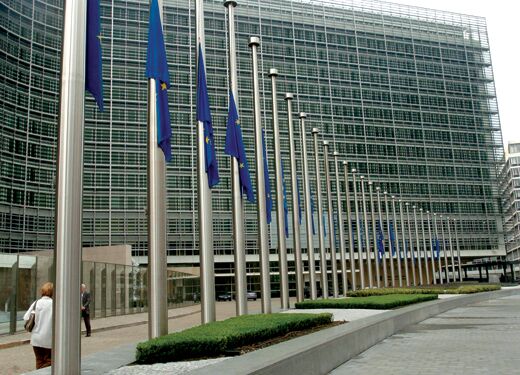
Europe’s Center Shifting From Brussels to Berlin
As the pace of European integration picks up in the 21st century, has Brussels outlived its usefulness?


