

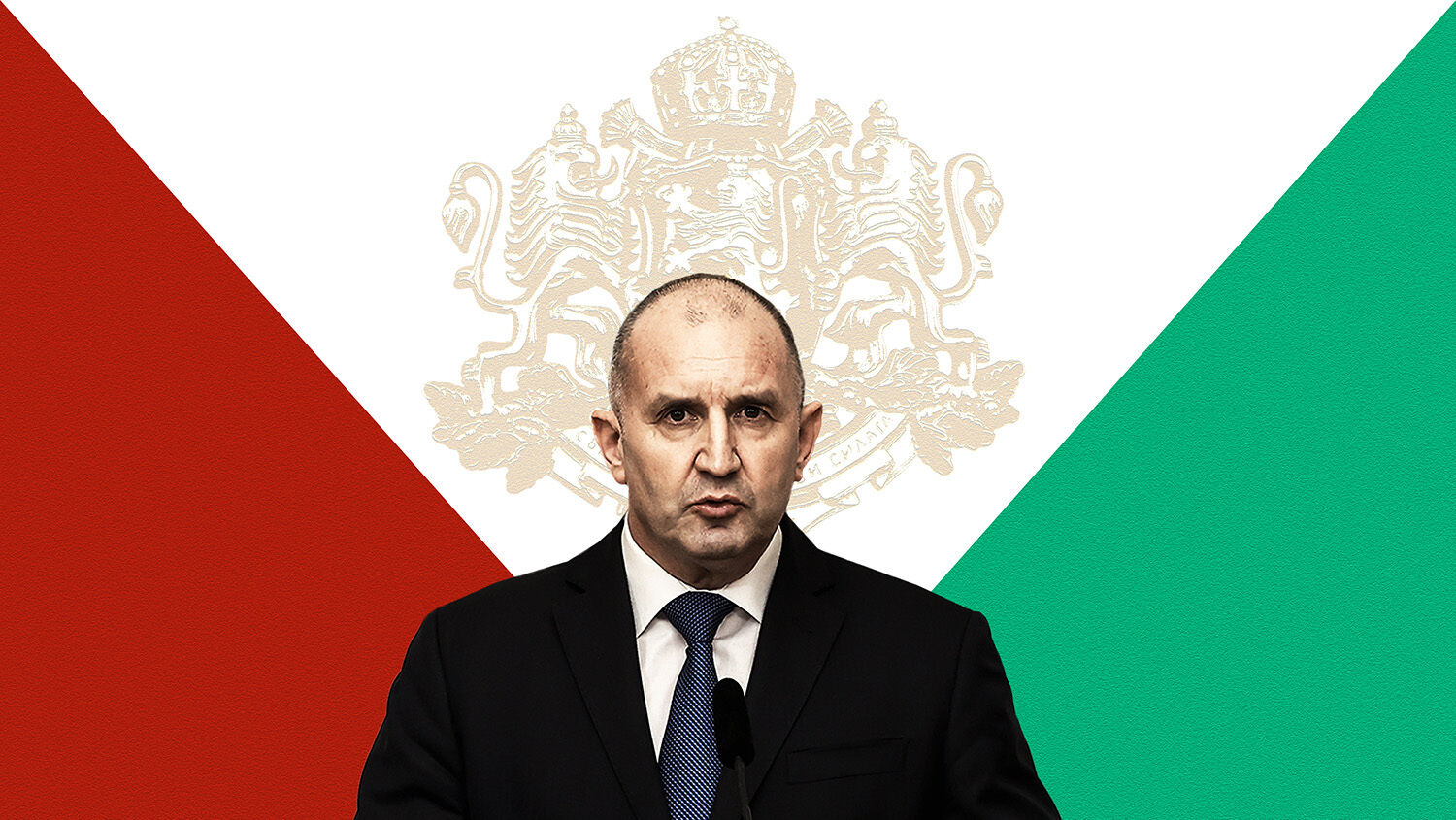
Bulgaria: Europe Gets a New Orbán?
Preliminary results from yesterday’s national elections in Bulgaria show former President Rumen Radev’s Progressive Bulgaria party as winning a clear majority, receiving the most votes by a single party since 1997.
- It won an estimated 44.7 percent of the vote, enough for an absolute majority in the Bulgarian parliament, with Radev as prime minister.
After eight national elections in the past five years, this result promises to end years of political uncertainty. But it also raises concerns for the European Union.
- Bulgaria has been an EU member since 2007, and it joined the eurozone at the beginning of this year.
Pro-Russia? In foreign policy, specifically when it comes to relations with Russia, Radev has advocated for greater national independence. In the past, he has argued that Russia should not be seen as an enemy, that sanctions against it should be lifted, and that Bulgaria should not send weapons to Ukraine.
- Fears are mounting that Radev could block critical EU votes, as Hungary’s Viktor Orbán did in the past few years. (After 16 years in power, Orbán just lost the Hungarian elections last week.)
- However, a senior EU diplomat told Politico that Radev is in a “much different league” when it comes to his desire or ability to upend European policy and that he and others like Slovak Prime Minister Robert Fico “don’t come close [to Orbán] in experience, tenacity, network and ideas.”
A core Europe: Orbán has long blocked Germany’s goals in the EU, and as a result, the EU’s largest economies started to come together in January to create a more unified European core. This allows these core nations to adopt key policies while leaving others that disagree behind.
- Some, like former German Defense Minister Karl-Theodor zu Guttenberg, have feared that this group would lose momentum with Orbán gone. However, Bulgaria’s election provides at least some measure of new motive.
Biblical prophecies in Daniel 2 and Revelation 17 forecast the rise of a power bloc ruled by 10 kings just before the return of Jesus Christ. The late Herbert W. Armstrong identified this as modern Europe reviving the Holy Roman Empire. Current events are leading directly toward the fulfillment of these prophecies. The EU’s hatred for dissenters will cause Europe to condense into 10 nations or nation groups.


