

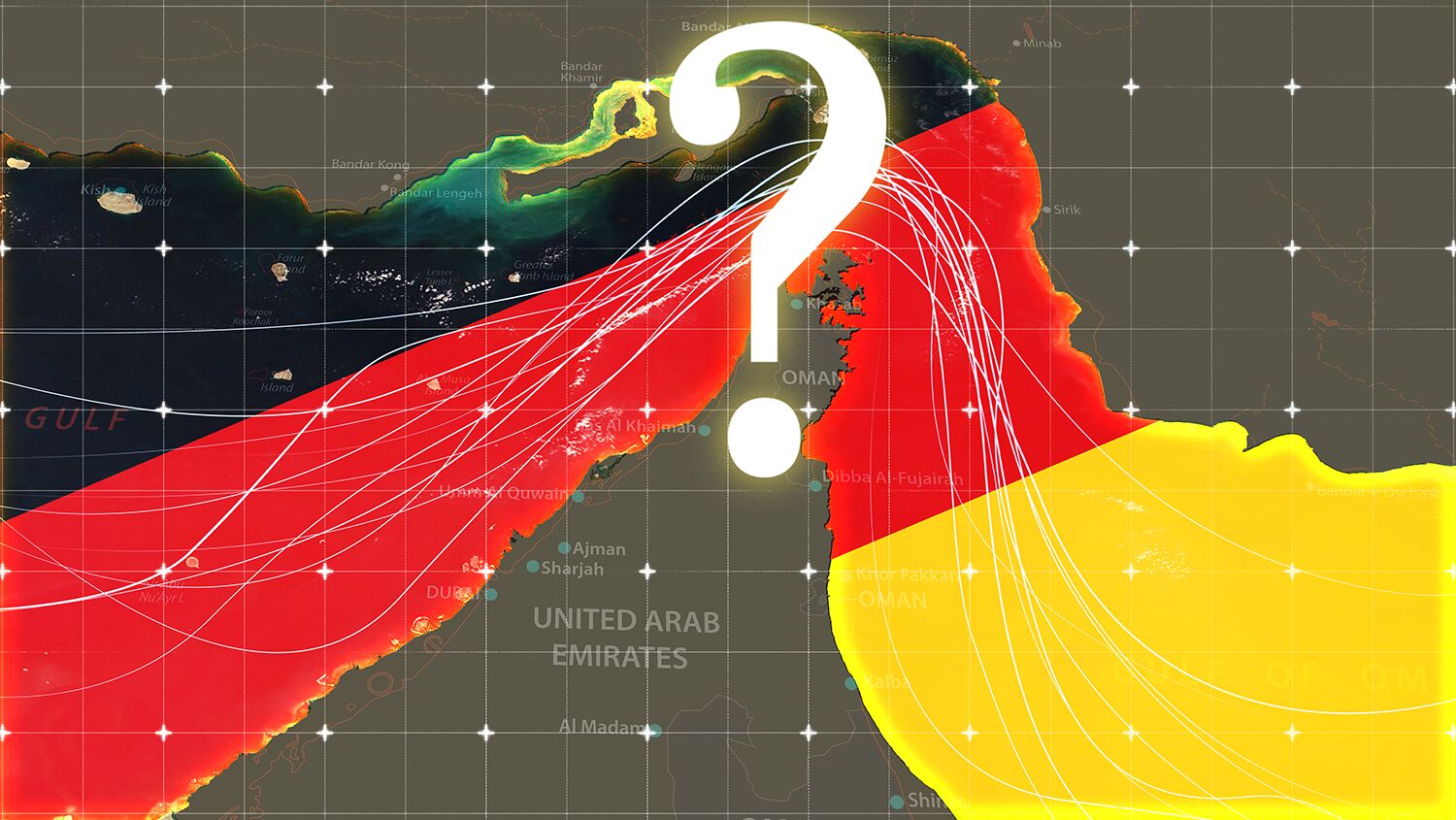
Strait of Hormuz: U.S. Pulls Back, Germany Sails In?
European leaders are gathering in Paris today to examine ways to reopen the Strait of Hormuz. Germany is ready to help but only after a ceasefire is in place and approved by a global body like the United Nations.
- France and Germany are at odds over whether there is a role for the U.S. in the mission. Germany says, “Yes”; France says, “No.”
The Strait of Hormuz is a narrow—and crucial—waterway in the Middle East:
- Before the recent war, a constant flow of 20 percent of the world’s oil and natural gas passed through it aboard civilian cargo vessels—and Iranians on its coast allowed it.
- After the U.S. and Israel attacked Iran, the Iranians used military-grade weapons to commit terrorist attacks on about 20 cargo vessels, causing serious damage as well as a few civilian deaths.
- About 6,000 such vessels have therefore declined to cross over the past seven weeks. Now we’re dealing with major oil and gas shortages and higher prices around the world.
For all its power, especially naval power, the U.S. has been at a loss to ensure safe transit through Hormuz. But German officials say they could send special mine-hunting boats to clear underwater mines and reconnaissance ships or planes to watch the area.
- Its naval base on the Bab el-Mandeb strait, just across the Arabian Peninsula, could support the mission.
Right now, Germany does not want to jump into the fight for the Strait of Hormuz. Doing so would strengthen America’s position in the Middle East. But it is planning for the day when U.S. forces pull out.
A prophecy recorded in Psalm 83 shows that the Gulf states will soon form an alliance with “Assyria” (Germany) against the nations of Israel, which include the United States, the British Commonwealth nations and the Jewish state in the Middle East. For a detailed explanation, read “A Mysterious Prophecy,” by Gerald Flurry.


