

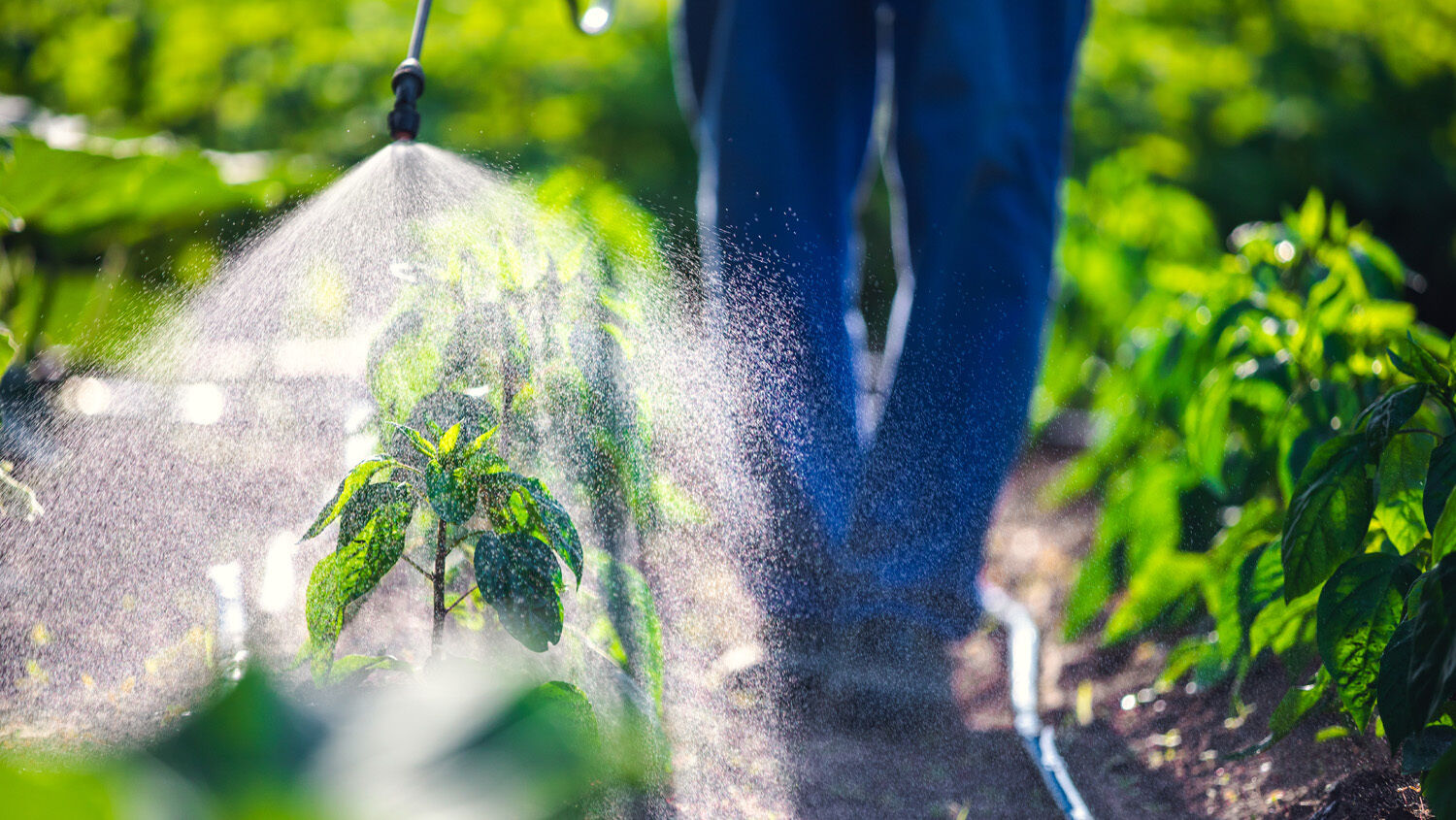
Toxins Within: 50 Years of Glyphosate
Glyphosate has been sprayed across American farmlands since 1974, making it the most widely used herbicide in United States history. Today, Roundup and other glyphosate-based herbicides are everywhere, from cornfields to soyfields to city parks to school playgrounds to front yards. This weedkiller is not just on our vegetation, though; it’s on our food—and in us.
One study run between 2014 and 2016 found that glyphosate could be detected in more than 70 percent of people.
For 50 years, regulators assured the public that glyphosate was safe. Farmers sprayed freely, food manufacturers ignored residues, and consumers ate without concern. Only now, decades later, is the real picture emerging. According to the World Health Organization, the original assurances were wrong, and the damage from sustained exposure to and consumption of glyphosates is still unfolding.
Farmers have always had to deal with weeds that compete with crops for water, sunlight and nutrients. Monsanto created Roundup to target and kill enzymes in plants. If used with crops that had been genetically engineered (by companies like Monsanto) to survive the spraying, farmers could spray the whole field and only the weeds would die.
The glyphosate is sprayed as part of a mixture that includes other chemicals, such as polyethoxylated tallow amine, which help it stick to plants and soak in more deeply. Regulators label these added ingredients “inert,” even though studies show some mixtures to be 100-fold more toxic in laboratory testing than glyphosate alone. Safety testing largely ignores these full formulations and focuses instead on the isolated chemical.
Companies like Monsanto defend their chemicals by insisting that they only disrupt the shikimate pathway, a plant process that humans don’t have. Regulators then use this to claim it is safe for people, even though their own testing ignores the trillions of bacteria living in our gut that rely on the same pathway. Through this interference, glyphosate can act like powerful, unprescribed antibiotics, reducing beneficial gut bacteria essential for digestion, immune function, brain signaling and metabolic balance, as noted by researchers at the University of Turku.
Further damage is done through endocrine disruption. Glyphosate interferes with hormonal balance, which can have significant effects on reproductive health, development and metabolism.
Most people assume glyphosate residues in food come from a little overspray landing on nearby crops. The reality is more deliberate and more direct. Glyphosate is sprayed on wheat, oats, barley, lentils and beans before harvest in a process called desiccation, which causes uniform drying and enables earlier harvests.
Independent tests have repeatedly found glyphosate residues in cereals, granola bars and crackers, with some samples exceeding 1,000 parts per billion.
In 2015, the International Agency for Research on Cancer (iarc) classified glyphosate as “probably carcinogenic to humans.” The Environmental Protection Agency, by contrast, says glyphosate is unlikely to pose a cancer risk at approved exposure levels.
These conclusions differ because the two sides are not reviewing the same kind of evidence. The iarc looks only at studies that are published and open to public scrutiny, meaning other scientists can examine and challenge the findings. U.S. and European regulators, meanwhile, rely heavily on industry-funded studies that are kept confidential, preventing independent researchers from reviewing the data or testing the conclusions for themselves.
The Environmental Protection Agency’s research is selective at best. Repeated use of glyphosate has decimated soil microbes and mycorrhizal fungi, degrading nutrient uptake, disease resistance and soil structure. The chemical also binds to minerals, which increases the movement of toxic metals like aluminum and arsenic through soil and into water supplies, raising the likelihood of human exposure over time through food and drinking water.
As soils degrade, farmers often rely on increasing chemical inputs to maintain yields, which increases exposure for the people applying the chemicals, living nearby, and consuming the end products.
People have filed lawsuits against Monsanto and its owner, Bayer, and about $10 billion has been paid to settle some of them, with roughly 65,000 more still active. Many of these allege a connection between glyphosate and non-Hodgkin lymphoma.
Is there anything you can do? Yes!
Glyphosate has been widely used for many years. Its residue is mostly concentrated in certain foods. Independent testing shows the highest amounts of residues are found in commercially processed grain products, particularly oats and wheat-based staples, largely due to pre-harvest spraying practices.
You may not be able to eliminate exposure entirely, but if you switch your habits on oats and wheat, you can meaningfully reduce your exposure to glyphosate and other unnatural chemicals (Consumer Reports). Choose organic versions of these grains. Avoid grains and products treated with pre-harvest “desiccation.” Use a certified activated-carbon water filter to measurably reduce glyphosate in your drinking water.
Implementing these specific steps will pay off by reducing your repeated daily exposure to these chemicals.
Also, stop using glyphosate-based products like Roundup in your yard or garden, and use food and land management practices that restore soil health instead of destroying it.
Whatever happens with Roundup, Monsanto, Bayer, the regulators, the courts and the rest of the glyphosate-food industrial complex, you can make certain changes that will benefit you and your family. Start implementing these habits today, and you will reap the benefits over the long term.
For more Trumpet guides on food safety, nutrition and exercise, click here.


