

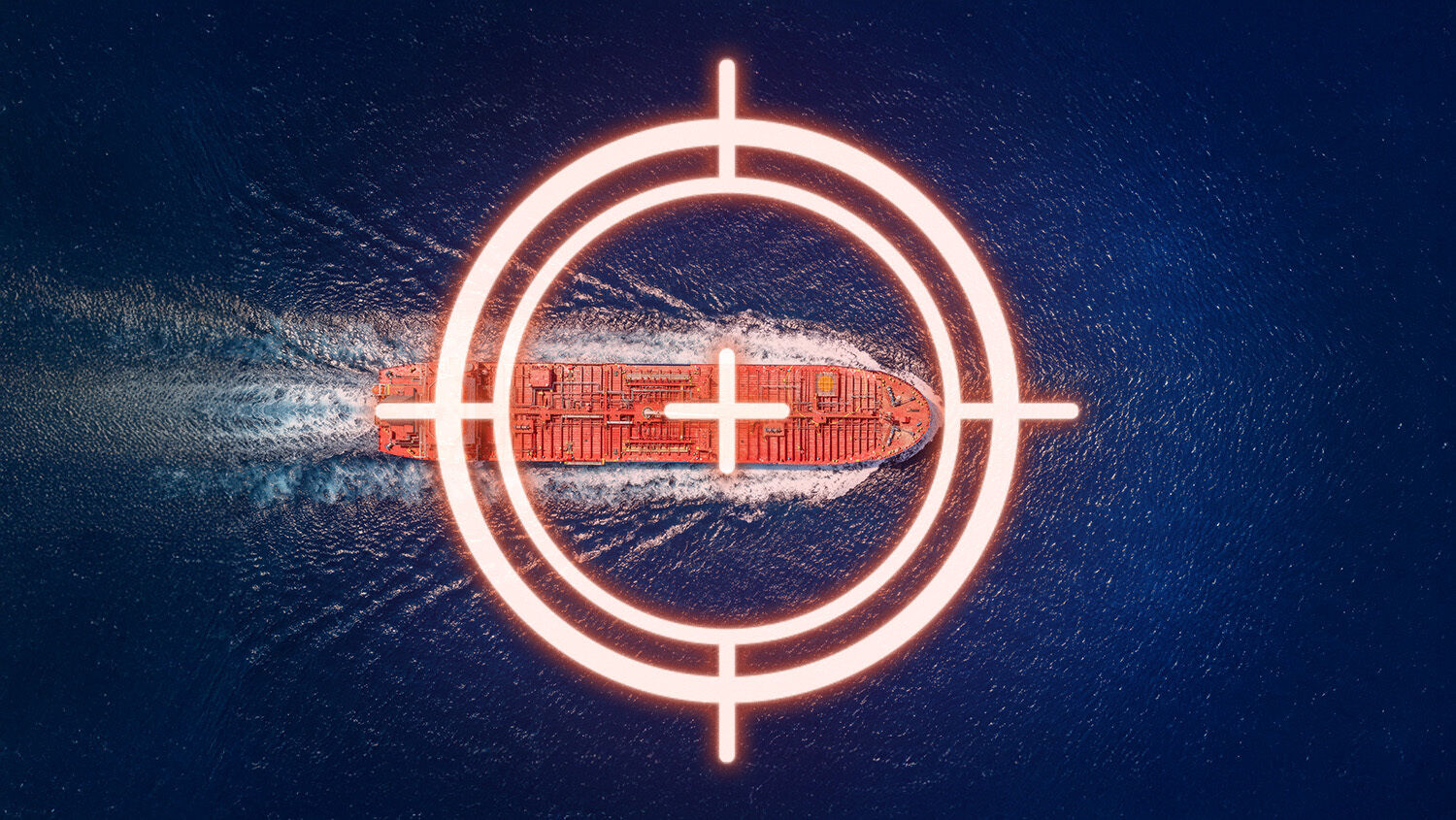
The Hunt for Red Oil Tankers
Did the U.S. just attack Russia? American forces have been hunting for the Bella-1 for a fortnight. The tanker departed Iran in August, bound for Venezuela to collect oil. The U.S. tried to interdict it on December 17, but the ship fled. Since then, the Panama-registered tanker re-registered in Russia, changed its name to Marinera, and had a Russian flag painted on its hull. A Russian submarine is in the area, and other Russian ships are rushing in to defend it.
That didn’t stop the U.S. from boarding it this morning.
America’s efforts to track it down, and Russia’s to keep it safe, have left many to wonder if there’s more to the story than simply an empty oil tanker. Was it carrying weapons from Russia or Iran to Venezuela?
This is just the latest and most dramatic in an ongoing hunt for Venezuelan tankers. At least 16 have fled and “gone dark.” A dozen have around 12 million barrels of oil, worth about half a billion dollars.
“The blockade of sanctioned and illicit Venezuelan oil remains in full effect—anywhere in the world,” U.S. Defense Secretary Pete Hegseth posted this morning.
It’s unclear if Nicolás Maduro’s successor, Delcy Rodríguez, is defying President Trump and having her tankers try to break through the blockade to generate more cash, or if other elements in the government are in charge, or if the Trump administration approved the departure of some tankers.
But it is clear that oil is a major prize, and the Trump administration doesn’t yet control it.
This is also about far more than Venezuelan oil. Many of these tankers are part of a “shadow fleet” network that carries Russian and Iranian oil in defiance of U.S. sanctions. Successfully hunting them down would be a major blow to Russia and Iran.
“For the first time since returning to office, Donald Trump has just swatted Vladimir Putin aside in a most humiliating fashion,” wrote the Telegraph as the seizure of the Bella-1 was underway. “Russia had staked its reputation and geopolitical credibility on conferring official protection on the shadow-fleet oil tanker U.S. forces are now attempting to board in the North Atlantic.”
How will Russia respond?
“If Americans seize our ship and we limit ourselves to rhetoric about ‘red lines,’ it will convince Trump that we are just a very large Venezuela, that Russia can be pushed around without any real consequences,” wrote pro-Putin journalist Alexander Kots ahead of the seizure. “It could all end with American forces standing on the front lines and Tomahawk missile carriers entering the Black Sea.”
But when nations finally stand up to strongmen like Putin, they tend to be less fearsome than imagined.
“One consistent message of Bible prophecy is that when we obey and serve God, we receive blessings; and when we disobey and reject Him, we receive curses,” wrote Trumpet editor in chief Gerald Flurry. “Read Leviticus 26 and Deuteronomy 28, which specifically list those blessings and curses ….” One of those curses is that America’s pride in its power will be broken.
“However, prophecy shows that some of these curses are going to abate under Donald Trump’s leadership. We can expect this to happen,” he wrote.
That is exactly what we’re seeing in Venezuela and with these tankers. “Is this because the nation is becoming more righteous and pleasing to God?” continued Mr. Flurry. “Actually, Scripture is clear that there are times God blesses despite the sins of the people.”
Those sins remain, and so although the curses have abated, they’re not gone altogether. President Trump has some better principles than his predecessors, but he is not ruling God’s way. We see the results in his inconsistent foreign policy—sometimes strong, sometimes appeasing. It will take national repentance to lift those curses entirely, as Mr. Flurry explained in that article, “Why God Is Saving America Through Trump.”


