

Iran’s Protests: Khamenei’s Day of Reckoning?
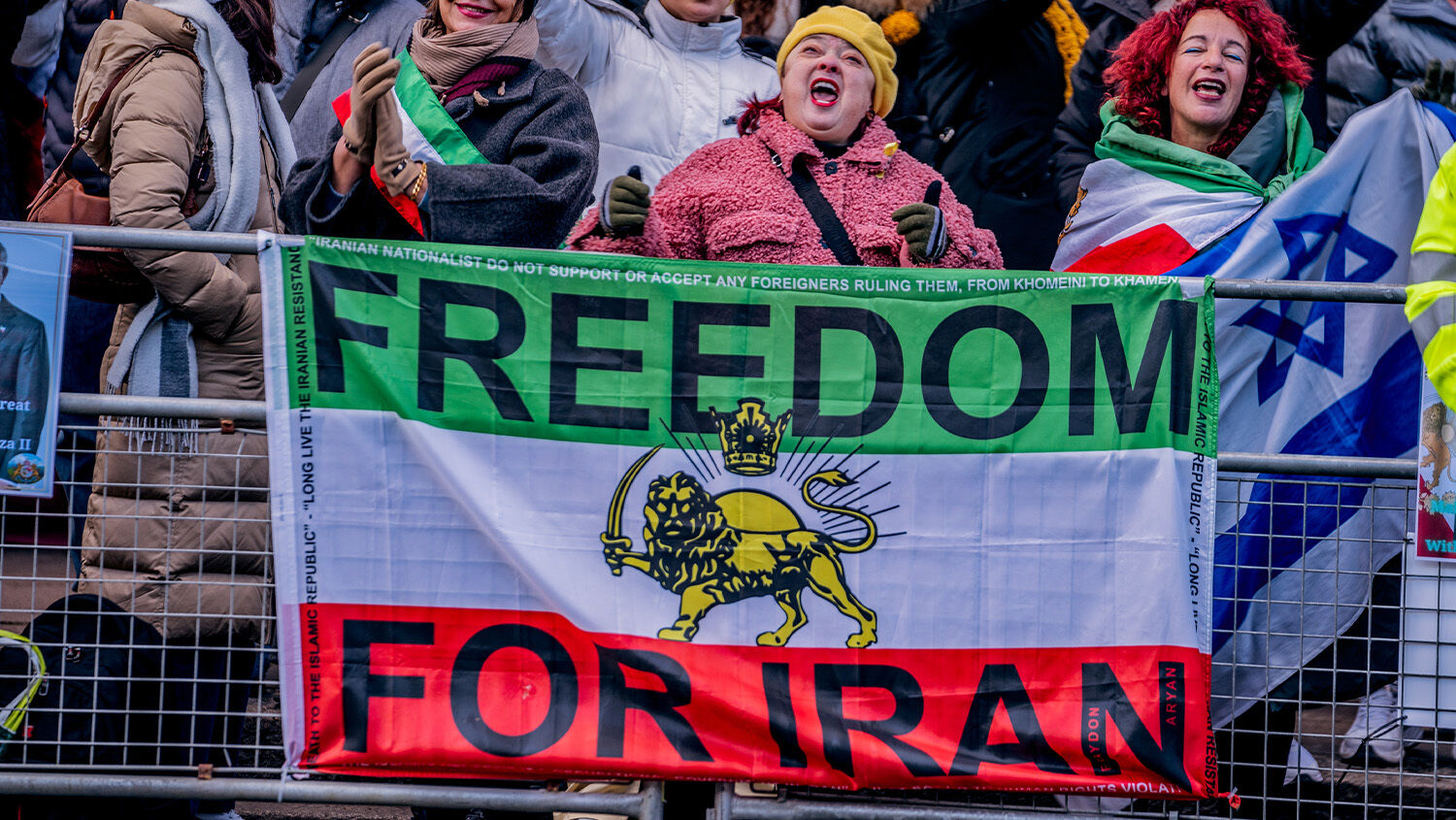
Iran’s largest protests in three years started a week ago and show no signs of letting up. Crowds of merchants, students and other protesters have blocked roads, attacked government facilities, and shouted, “Death to the dictator!” The cause: Iran’s spiraling inflation and other economic woes.
- Annual inflation for the Iranian rial was at 42.2 percent last month.
- Food prices had risen 72 percent.
- A severe drought has led to water rationing.
- Hundreds of thousands of Iranians experienced rolling blackouts last summer due to an electricity crisis, even as Iran exported electricity to Afghanistan and Pakistan.
These protests are turning violent. At least one member of the Basij, Iran’s paramilitary security force, died at the hands of rioters. Government forces have fired live rounds. Unconfirmed reports suggest some of the security personnel deployed by the government have refused to obey orders to use force against protesters. Other unconfirmed reports suggest Supreme Leader Ayatollah Ali Khamenei may have at some point fled Tehran.
Iranian President Masoud Pezeshkian, a comparative moderate who Khamenei wanted in office to calm down the last round of protests, told protesters, “Your objections are understandable. If people are dissatisfied, we are to blame. Do not look for America or anyone else to blame. We must serve properly so that people are satisfied with us.”
Many in the media are wondering if Iran’s government can survive this crisis:
- “Could the Iranian regime finally be brought down?” (Telegraph)
- “Is this the end game for Iran’s ayatollahs?” (Independent)
- “Chances of Iran Regime Falling Surge as Unrest Spreads” (Newsweek)
United States President Donald Trump suggested he might even get involved. He posted on Truth Social January 2 that if Iranian security forces shoot and kill “peaceful protesters, which is their custom, the United States of America will come to their rescue. We are locked and loaded and ready to go.”
Is this the end of Iran’s Islamic Republic?
The Trumpet analyzes world news through the lens of Bible prophecy. The principle prophecy regarding Iran is in Daniel 11:40: “And at the time of the end shall the king of the south push at him: and the king of the north shall come against him like a whirlwind, with chariots, and with horsemen, and with many ships; and he shall enter into the countries, and shall overflow and pass over.” Since the 1990s, Trumpet editor in chief Gerald Flurry has identified this “king of the south” as radical Islam, led by Iran. This means Iran will remain under radical Islamist ideology—and strong enough to spark a world war. The Islamic Republic may have a change of leadership at some point, but it will not moderate or reduce its radicalism or belligerence. Expect radical Islam and Iran to come out stronger than ever. To learn more, read our Trends article “Why the Trumpet Watches Iran and Europe Heading for a Clash of Civilizations.”


