Watch and Pray
How to prepare for the return of Christ

Believe it or not, the Bible was written for our day—this generation! No book is as up-to-date as the Bible. It explains the causes of present world conditions—it reveals what’s ahead in the next few years. In its pages are the solutions to every problem we face in life—from personal and family relationships to national economics and foreign policy.
Yet, ironically, this incredible book is the least understood of all books. Most people, when they try to read it, find that they simply cannot understand it. Many assume it is irrelevant and out of date for our modern age.
But you can understand the Bible!
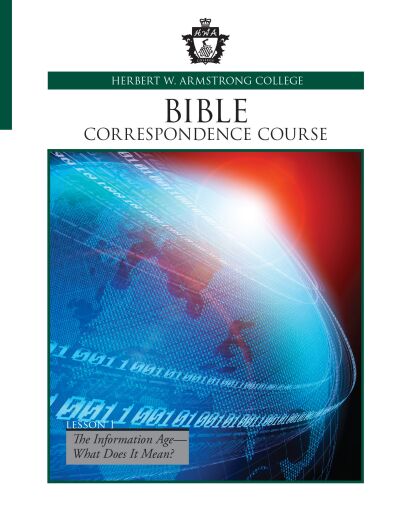
Herbert W. Armstrong College has been helping thousands learn the true meaning of current events and the true purpose for life through the Herbert W. Armstrong Bible Correspondence Course. This course has been designed to guide you through a systematic study of your Bible—the Bible is the only textbook.