

Troubling Signs for U.S. Economy
On Friday, June 10, a Chinese ratings agency accused the United States of defaulting on the massive debt it owes China. On Monday, pimco bond manager Bill Gross said America’s financial condition is worse than that of Greece and other debt-saturated European nations. Then, yesterday, a Gallup poll was published showing that Americans’ confidence—the current keeping the beleaguered dollar afloat—is plummeting.
Defaulting on debts
On Friday, Guan Jianzhong, president of the only Chinese agency that publishes sovereign ratings, said, “In our opinion, the United States has already been defaulting.”
Guan explained his position saying that, by permitting the dollar to weaken against other currencies, Washington had already defaulted on the loans China has granted it. This has eroded the wealth of China and other U.S. creditors, Guan said.
Worse Than Greece
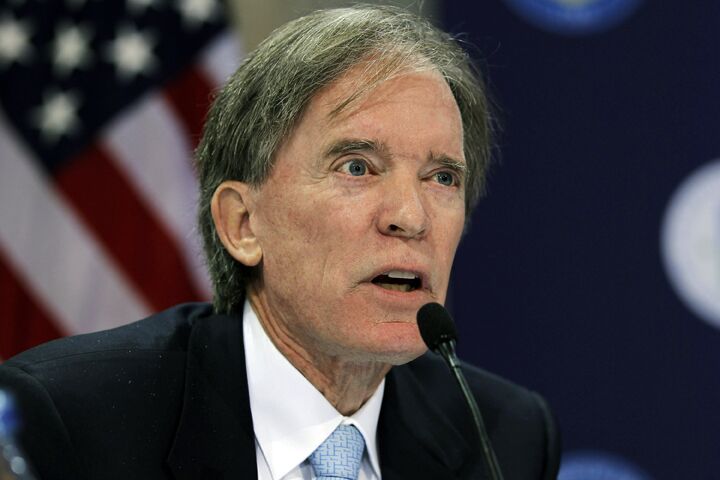
Three days later, pimco co-founder Bill Gross said that if calculations are expanded to include money the U.S. owes to cover future liabilities in entitlement programs, then it becomes clear that the U.S. is in worse financial shape than Greece and other troubled European states.
pimco manages over $1.2 trillion worth of assets and operates the world’s largest bond fund.
Gross explained that while attention is given to America’s $14.3 trillion of public debt, that amount does not factor in money guaranteed for Social Security, Medicare and Medicaid, which Washington says amounts to almost $50 trillion. The government also owes money related to the bailout programs initiated in the wake of the financial meltdown crisis of 2008.
Adding all these debts together, Gross places the total U.S. debt at “nearly $100 trillion.”
“To think that we can reduce that within the space of a year or two is not a realistic assumption. That’s much more than Greece, that’s much more than almost any other developed country. We’ve got a problem and we have to get after it quickly,” Gross said.
Gross also predicted that if the debt troubles in Greece erupt into full-blown crises, then German debt, rather than American, will become the preferred safe haven for global investors.
Confidence Is Low
At the beginning of June, the Bureau of Labor Statistics disappointed many by announcing that the private sector had added just 54,000 jobs in the month of May, after forecasters had anticipated an increase of 175,000 jobs. The lack of growth lifted unemployment to 9.1 percent.
In the face of the rising unemployment rate and climbing gas prices, a new poll shows that the confidence of Americans has plummeted.
The poll, published on Tuesday, said American economic confidence averaged -35, which is down 8 percentage points from only two weeks earlier.
Around 70 percent of respondents believe the economy is “getting worse” and 47 percent said that the U.S. economy was “poor.”
This plummeting confidence is significant because it exacerbates the other troubling trends. As the Trumpet has written before, “A robust economy requires high employment. Without new jobs, it is unrealistic to expect an increase in either consumer confidence or spending. And without increased spending, the economy will not generate new jobs. The vicious cycle perpetuates itself.”
A decrease in confidence is both a symptom and a cause in this vicious cycle, and as the current trends continue, consumers will have less and less cause for optimism.
To understand more about the U.S.’s anemic economy, and what you can do about how it affects you personally, read Trumpet columnist Rob Morley’s latest column, “Half of Americans Are ‘Financially Fragile.’”


