

Serbia Gives EU the Lead in Kosovo Negotiations
Serbia agreed to compromise with Europe over the draft resolution it submitted to the United Nations General Assembly on September 9, essentially giving up Kosovo in exchange for a future with the European Union.
This new text—agreed upon during last-minute talks late on September 8—puts the EU in charge of negotiating a solution to the Kosovo situation. It says that Serbia “welcomes the readiness of the EU to facilitate the process of dialogue.”
“This dialogue would be aimed to promote cooperation, make progress on the path towards the EU and improve people’s lives,” the resolution states.
The new resolution replaces an earlier one submitted by Serbia that said the International Court of Justice’s opinion—that Kosovo’s declaration of independence did not violate international law—is “unacceptable.”
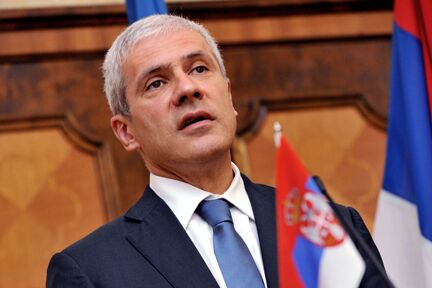
Germany, the UK and the U.S. all put pressure on Serbia to change its original resolution. Serbia’s President Boris Tadic gave in, indicating that he sees Serbia’s future in the EU as more important than trying to regain Kosovo.
“We have all agreed in the EU that the main focus is looking toward the future, and in that future there is an EU perspective for both Serbia and Kosovo,” the EU Observer quoted an unnamed EU diplomat as saying.
The resolution puts the EU, not the UN, in the lead when it comes to negotiating over Kosovo.
That is not good for Serbia. Twenty-two out of the EU’s 27 members have recognized Kosovo’s independence. To date, only 70 out of the 192 nations in the UN General Assembly have done so. Numerically, Serbia stood a much better chance of getting its way in the UN.
Tadic insisted that the new resolution “does not include recognition of Kosovo independence in any way.” However, opposition parties are worried it will lead to that. Serbia’s opposition Democratic Party of Serbia was outraged by the Serb president’s U-turn on the issue, calling it “an act of capitulation at an ultimatum by the Western powers in order to snatch away Kosovo.”
Before the compromise resolution was agreed upon, Serbs living in Kosovo stated that if their homeland gave in to Europe, they would seek Russian passports, “because Russia knows how to shield its citizens no matter where they live,” said Milan Ivanovic, leader of the Serbian National Committee for the Northern Kosovo.
Serbia’s current leaders are more interested in getting into the EU than they are in keeping their homeland intact. Europe, led by Germany, has won in the Balkans. The area is effectively an EU colony. For more information, read our free booklet The Rising Beast.
[CORRECTION: A reference in this article stated that Serbia’s opposition party is the Democratic Party. This incorrect, the Democratic Party (Demokratska Stranka) is actually Tadic’s ruling party. The opposition party is the Democratic Party of Serbia (Demokratska Stranka Srbija). The error has been corrected.]


