

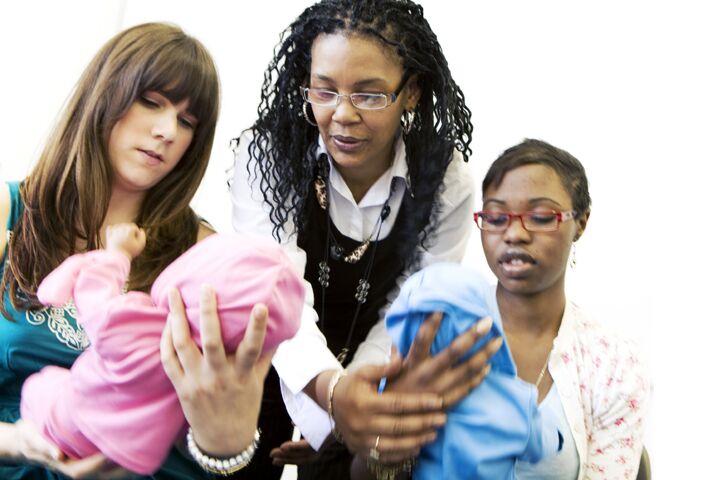
Britain to Educate Teens on Parenting
Britain has the highest teenage pregnancy rate in Europe. Approximatelyfour of every 100 British girls under age 18 become pregnant every year. An average of 22 girls under the age of 15 become pregnant every day. The government’s solution? Make it compulsory for all British teens to take lessons on how to be a parent.
From 2011, all 14-year-olds must receive parenting lessons, under a plan laid out by Children’s Secretary Ed Balls. Under his proposals, they will be taught the responsibilities of parents, stages of child development, and techniques for controlling unruly children.
Balls hopes that his strategy will discourage teens from having children. However, it risks doing the opposite: telling children that teenage pregnancy is natural and normal.
If done correctly and at the right time, there is nothing wrong with teaching the basics of parenting. But Labor’s track record shows that any such education will be infested with platitudes based less on morality and practicality and more on a politically correct agenda.
Official government advice on how parents should teach their children about sex warns parents not to tell their child what is right and wrong, as “trying to convince them of what’s right and wrong may discourage them from being open.”
The government keeps trying to solve Britain’s teen morality crisis by giving youth more “education.” Yet teenage pregnancy rates are not going down. As an economist at Nottingham University Business School, Prof. David Paton, said, “In general, sex education seems to have very little impact one way or the other on teenage pregnancy.”
Why? Because children are being given the wrong education. Educate them correctly, and pregnancy rates will fall.
What exactly is missing in Britain’s education? This true education on dating, marriage, pregnancy and family is discussed in detail in The Missing Dimension in Sex.


