

France, India Join Criticism of Dollar’s Role
India and France have joined Russia and China in calling for a debate on the dollar’s role as the world’s reserve currency at the upcoming Group of Eight summit in Italy. Representatives from the eight major industrial nations are meeting from July 8 to 10 to discuss the global economy.
Leading up to the summit, China and Russia have been questioning the dollar’s dominance as a reserve currency. France and India are now also pressing for a change in the dollar’s role.
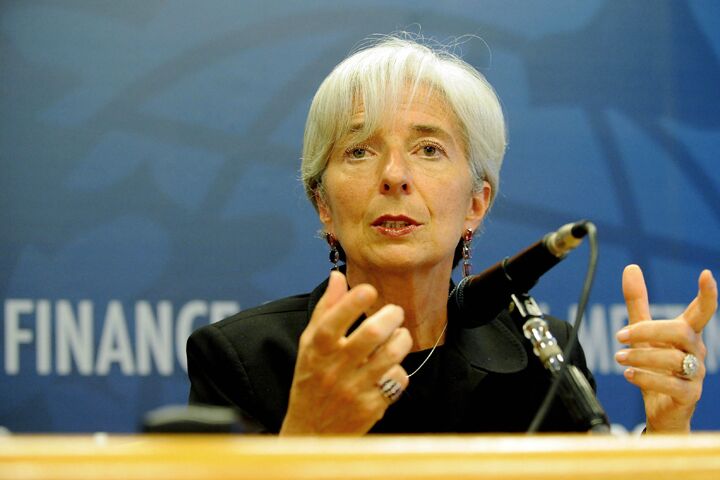
“We should explore a better coordination of foreign exchange policies which would raise the question over the medium term of the balance of exchange rates and the role of currencies that have changed both as a result of the crisis and the role played by emerging market countries,” French Economy Minister Christine Lagarde told reporters at a conference on Sunday.
The financial crisis and America’s unprecedented borrowing spree have given countries that hold billions of dollars in reserves plenty of reason to rethink their strategy.
“The major part of Indian reserves is in dollars—that is something that’s a problem for us,” said Suresh Tendulkar, chairman of the prime minister’s Economic Advisory Council. Tendulkar is advising India’s government to reduce the proportion of dollars it holds as part of its $264.6 billion foreign exchange reserves.
When asked whether the U.S. dollar should be weaker, Tendulkar said, “I think it is necessary … it should go down.”
Russia and China have already introduced ideas to decrease the dollar’s dominance in the reserve currency system.
Russia plans to resume its calls for a supranational currency at the G-8 summit, an aide to Russian President Dmitry Medvedev said. Russia earlier proposed this idea in an April meeting of the Group of 20 major developed and developing nations.
On June 26, the People’s Bank of China said the International Monetary Fund (imf) should manage more of members’ reserves.
Russia and China’s calls for change aren’t anything new, but the anti-dollar movement is gaining momentum with the addition of another economically developed G-8 country, France, and a strong U.S. ally, India. That means 25 percent of the G-8 countries and the two largest developing economies in the world are all trying to reduce the importance of the U.S. dollar. This kind of pressure can’t be ignored for long.
Developing economies, such as China and India, still remain dependent on the dollar. The dollar’s share of global foreign exchange reserves rose to 65 percent in the first three months of this year, the most since 2007. Alternatives are now presenting themselves, however. Russia, China, India and Brazil have already announced they will purchase imf bonds as an alternative to U.S. bonds.
No doubt these same nations will eagerly look for more alternatives at this next summit. A replacement for the debt-ridden dollar will appear soon. For an idea of what the Trumpet believes will take over from the dollar, read “New Global Trend: Dump a Dollar, Buy a Euro.”


