

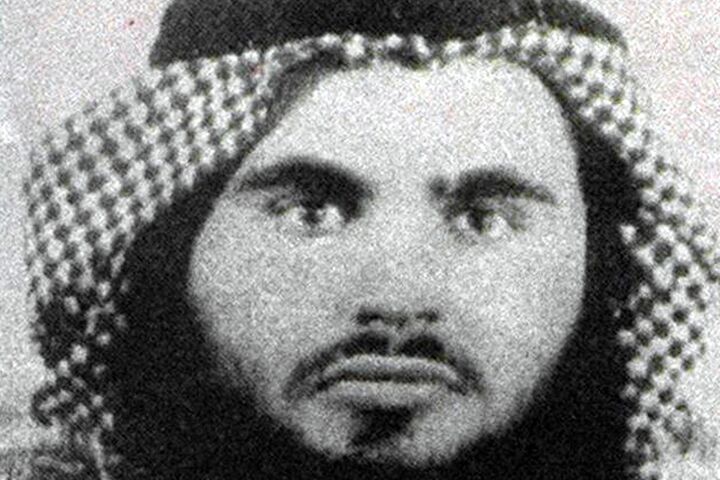
Bin Laden’s “Right-Hand Man in Europe” Mocks British Justice
The story of Abu Qatada clearly shows the failings of the British justice system. Described by a judge as “Osama bin Laden’s right-hand man in Europe,” Qatada arrived in Britain in 1993. Since then, the taxpayer has lavished ₤1.5 million upon him as authorities fight to deport him. Meanwhile, the government is more concerned about sticking to European laws than about protecting the British public.
Abu Qatada, a radical Jordanian preacher, arrived in Britain with his family on a forged passport in 1993. He was granted asylum in 1994, and quickly began spreading hate.
Qatada gave spiritual advice to extremist groups, indoctrinating young Muslims, and issued fatwas calling for the murder of unbelievers. His sermons of hate inspired the 9/11 terrorists, and he worked as a go-between and financier for al Qaeda in Europe. Mohammed Atta, one of the ringleaders of the 9/11 attack, had several of Qatada’s videos in his flat.
Qatada was convicted twice in Jordan: for conspiring to blow up two hotels in 1998, and for helping to plan a series of bomb attacks in Jordan set to coincide with the new millennium.
He was finally arrested, over seven years after arriving in Britain, in February 2001. Police found him with ₤170,000 (around us$245,000) in cash, including ₤805 in an envelope marked, “For the mujahedin in Chechnya.”
Later that year, he went on the run. Following his arrest in October 2002, government efforts to deport him to Jordan were thwarted: Qatada’s lawyers claimed that if he were sent to Jordan he would be subject to torture, and therefore he couldn’t be deported under the European Convention on Human Rights. So Britain simply placed bin Laden’s “right-hand man in Europe” under house arrest while the government persuaded Jordan to sign a memorandum of understanding that stated suspects deported from Britain would receive a fair trial. Qatada was arrested once again in August 2005.
In April last year, the Court of Appeals ruled that deporting Qatada would violate his human rights, because evidence against him in Jordan might have been obtained through the torturing of someone else. So he was released again—and rearrested again, as the Home Office feared that he planned to abscond.
Meanwhile, Abu Qatada’s family lived in a ₤800,000 house—that’s roughly us$1,150,000—owned by the government; his family received ₤50,000 (us$72,000) worth of benefits a year. Now he has the gall to sue the British government for tens of thousands of pounds claiming he was unlawfully held in prison.
Finally, on Wednesday the House of Lords overturned the previous ruling, and said that Qatada can be deported. But the saga is far from over. Abu Qatada can now appeal to the European Court of Human Rights. It could take another two years to decide the case—while the British taxpayer pays all the legal bills.
Britain’s justice system has become a mockery of justice. A man whom Britain’s Special Immigration Appeals Commission called “a truly dangerous individual” is allowed to remain in the country because the courts claim that just maybe someone involved in his trial might have been subjected to torture. And Qatada is not the only terrorist in this ludicrous situation.
No wonder radical Islam is becoming a festering problem within Britain. Preachers of hate are tolerated, and even when they are arrested, they are mollycoddled for years before they are finally deported.
Foreign courts and foreign laws are keeping Britain from dealing with terrorists. The European Convention on Human Rights is what prevented Abu Qatada from being deported in the first place. Now, he will stay because he can appeal to the European Court of Human Rights.
What happened to the right of the British public to be protected from dangerous extremists? What happened to the right of the democratically elected government to decide what goes on in Britain? Europe has taken those rights away.
Many other European countries have simply ignored the part of the European Convention on Human Rights that prevented Britain from deporting Qatada. Britain could stand up for its own interests, but it lacks the will.
And so the festering sore of radical terror lives on.
For more on the causes of Britain’s problem with radical Islam, see our article “The Sickness in Britain’s Heart.”


