

Did Ukraine’s Drone Strikes Take Russian Trolls Offline?
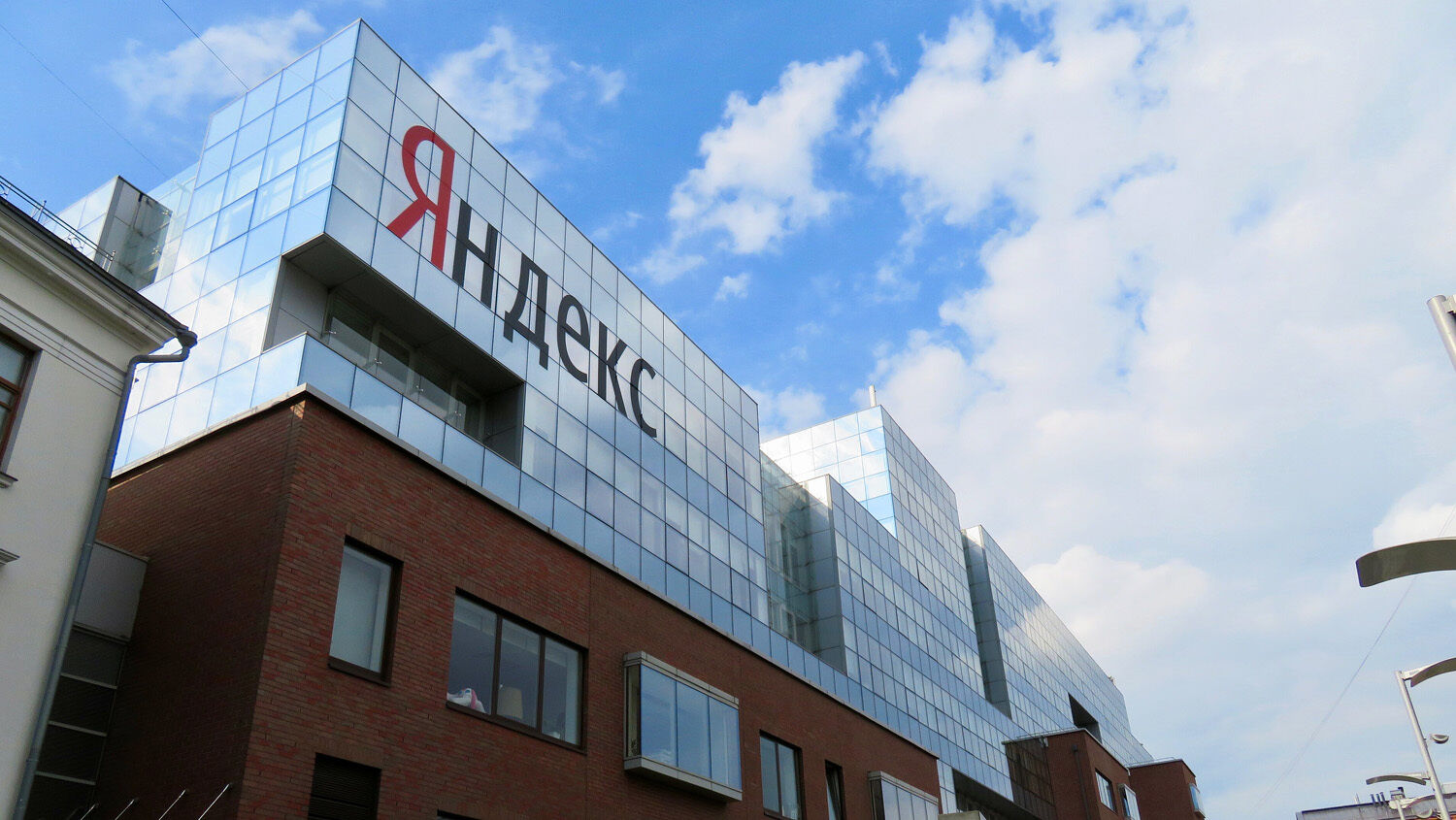
From October 8 to 11, Ukrainian drones hit three major data centers belonging to Russian tech giant Yandex, disrupting the company’s services and raising a tantalizing question: Had the attacks also silenced many Russian trolls and hindered the nation’s disinformation campaigns?
It is well established that Russia operates armies of trolls reinforced by countless bots to sow confusion among Americans and Europeans on everything from racial politics and immigration to the Israel-Gaza conflict, the war on Ukraine and the value of nato. The Russian operatives often pose as right-wing Westerners, wrapping Kremlin propaganda in a U.S. or European flag and passing it off as authentic Western opinion.
The goal is to erode Westerners’ trust in their own countries and allies while portraying Russia and its partners as more principled. Failing that, the Russians aim to sow so much confusion that people give up trying to distinguish truth from falsehood.
By this method, the Russians aim to turn Americans against Americans and Europeans against Europeans. They understand that if they can deepen divisions and exacerbate polarization, the U.S. and Europe will be weaker and easier to challenge.
But after Ukraine’s strikes on Yandex data centers located in Sasovo, Kaluga and Vladimir, Cloudflare Radar reported a steep drop in automated web requests originating from Yandex’s AS13238 network, with traffic dwindling to almost nothing by October 11. Internet users reported declines in anti-Western and pro-Russian activity and declines in engagement with accounts pushing such messages.
These charts seem to show how momentous Russia’s online manipulation operations are and that they suffered a serious blow from Ukraine’s strikes, but they don’t tell the whole story. Not all automated web traffic comes from propaganda bots. Search engines, for example, use automated programs called web crawlers to scan websites and index their content. Experts who track Russian influence operations say the sharp traffic declines may reflect disruptions to this crawling activity and indexing as much or more than Russian propaganda networks going offline.
Whatever the precise impact of Ukraine’s strikes on Russia’s online influence operations, the broader threat is real. Russia has spent years exploiting the Internet to deepen divisions in America and other Western nations, turning citizens against one another and sowing the discord that weakens a nation from within.
In his article “Wake Up! Russia Is Turning Americans Against Americans,” Trumpet senior editor Joel Hilliker warned about the way Russia uses Internet manipulation to turn Americans against each other:
Shouldn’t we feel some shame? Shouldn’t this stir some remorse for having let foreign antagonists fiddle with our emotions to turn us against our own countrymen? Shouldn’t this be a wake-up call to reunite and redirect our indignation against those who are plainly exposed as trying to sabotage us? … A strong, united America, with its eyes fixed on the facts and the real issues, would be invulnerable to these attacks.
He then explained the true source of such underhanded tactics:
Studying the Russians’ divide-and-conquer tactics … gives tremendous insight into the way the devil works. He is actively destroying this country. He is using every trick, tool and weapon he can to isolate us, break us and shatter us into rivalries. … He intermingles shards of truth and lies to create suspicion and fear, turning people against one another. He stirs us to cast reason aside and act out of pure, baseless emotion, passion and hatred.
To understand the biblical passages showing the reality of this sobering situation, read “Wake Up! Russia Is Turning Americans Against Americans.”


