
Ready to Fight Tonight
Ready to Fight Tonight

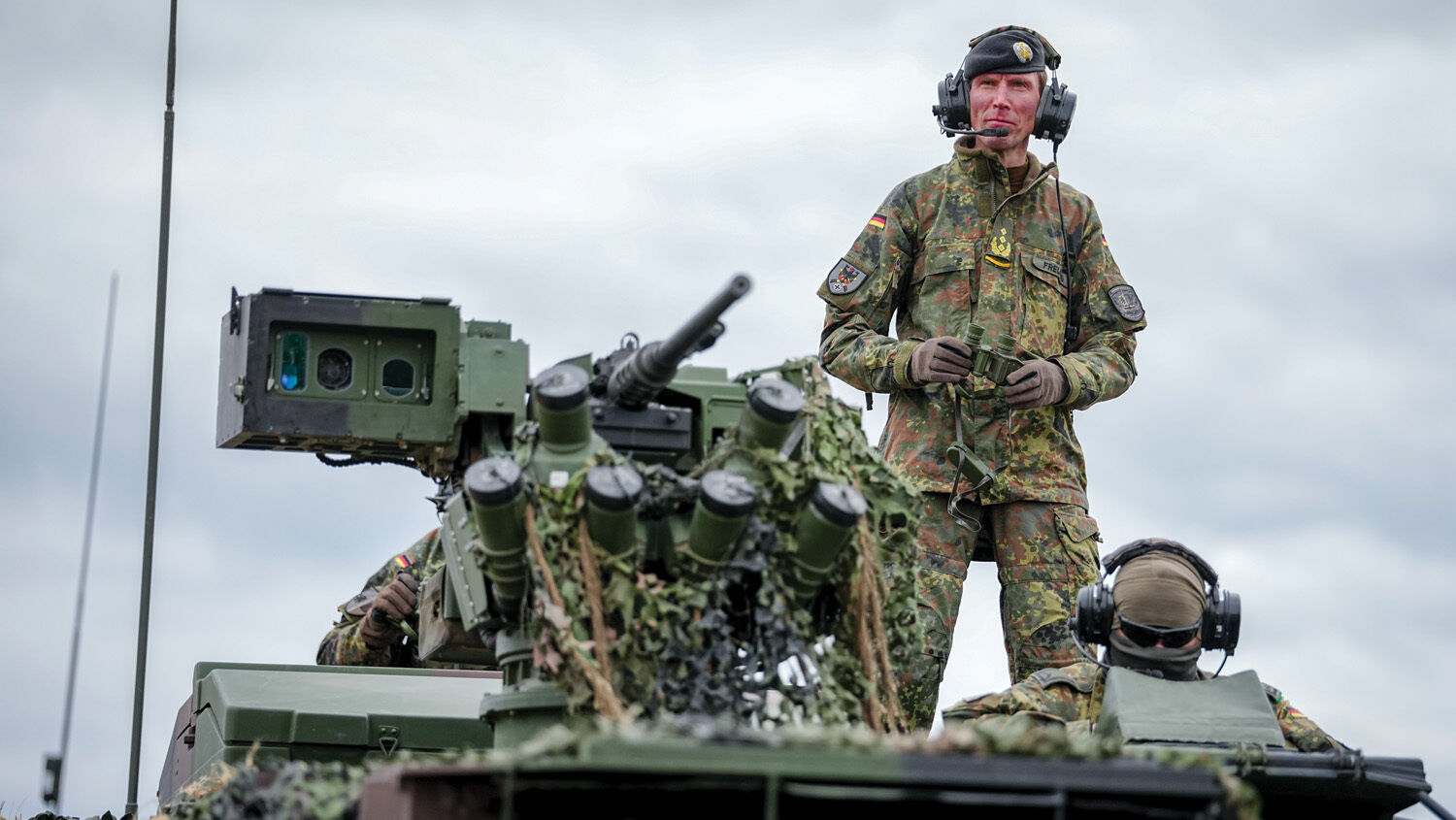
“Speed is of the essence now,” Lt. Gen. Christian Freuding said. “We must improve our capabilities for the ‘fight tonight’ every day as the German Army.” A few examples highlight Germany’s urgency:
Funds: In 2022, Germany created a special fund of over $100 billion to top up its defense budget. In 2025, it changed its constitution to allow additional hundreds of billions of dollars financed by debt.
Using nato: In 2023, Germany organized “Air Defender 23,” the largest air force exercises in the history of nato. Germany has taken the lead in exercises and in nato command structures.
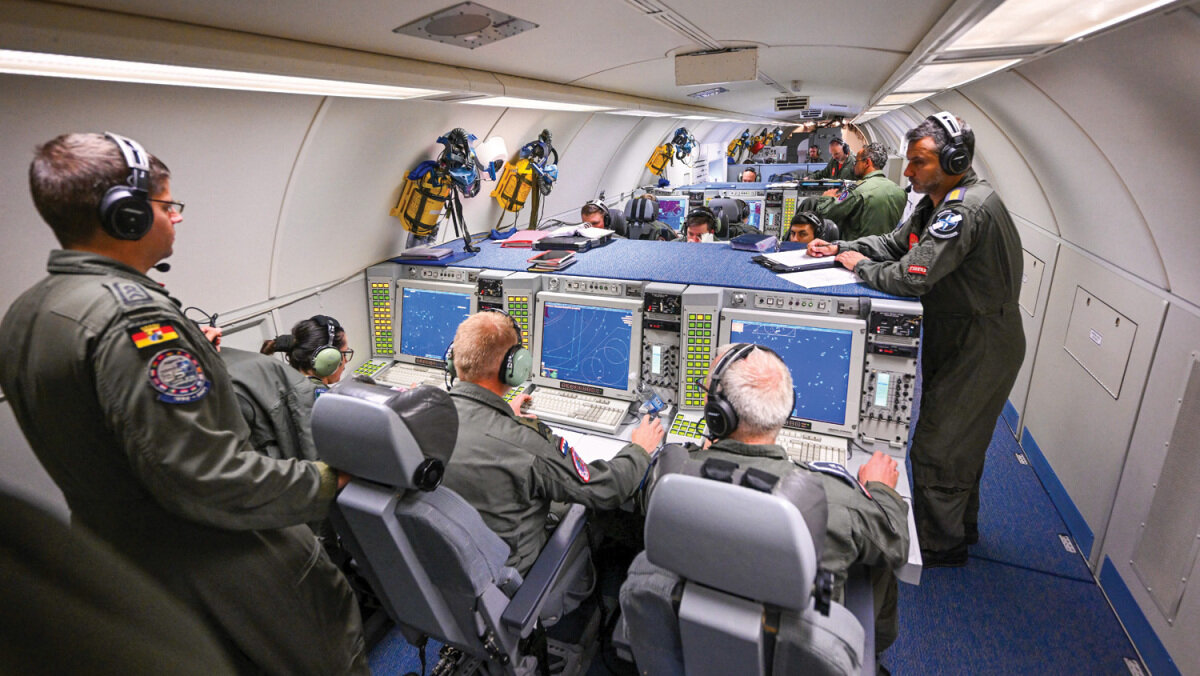
“Operation Plan Germany”: Bild broke the news in 2024 of a “secret document” that outlines the path toward “robust, resilient and war-ready defense architecture.” The over 1,000-page strategy paper is titled “Operation Plan Germany.” Only broad details are known, but the German military has started preparing civilian companies for war. Part of the plan entails moving 800,000 troops and equipment from various allied countries within a short time.
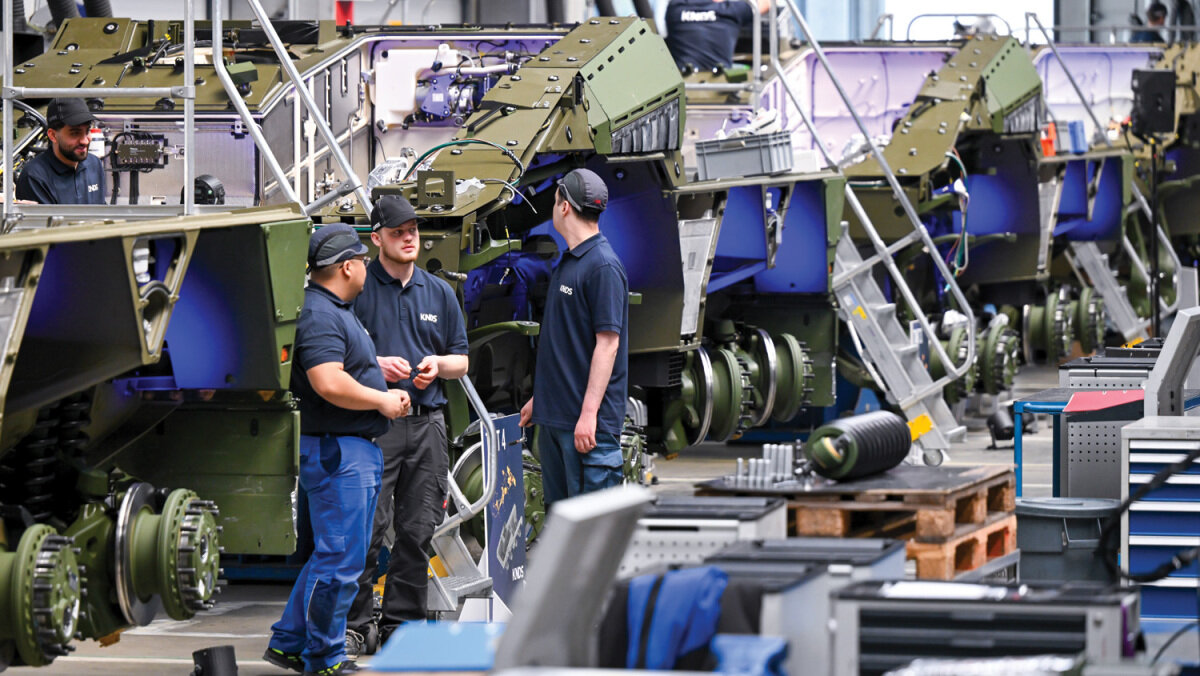
Plowshares into swords: German arms manufacturers are taking over civilian production lines. In February 2025, Franco-German arms manufacturer knds acquired the Alstom train factory in Görlitz. Instead of building trains, the factory will build tank components. Rheinmetall announced repurposing its automotive plants in Berlin and Neuss to produce military equipment. Deutz AG, whose military business previously generated only tens of millions of euros in annual revenue, has rapidly expanded its defense activities. This past July, it announced plans to acquire a military vehicle manufacturer for about $1.8 billion.
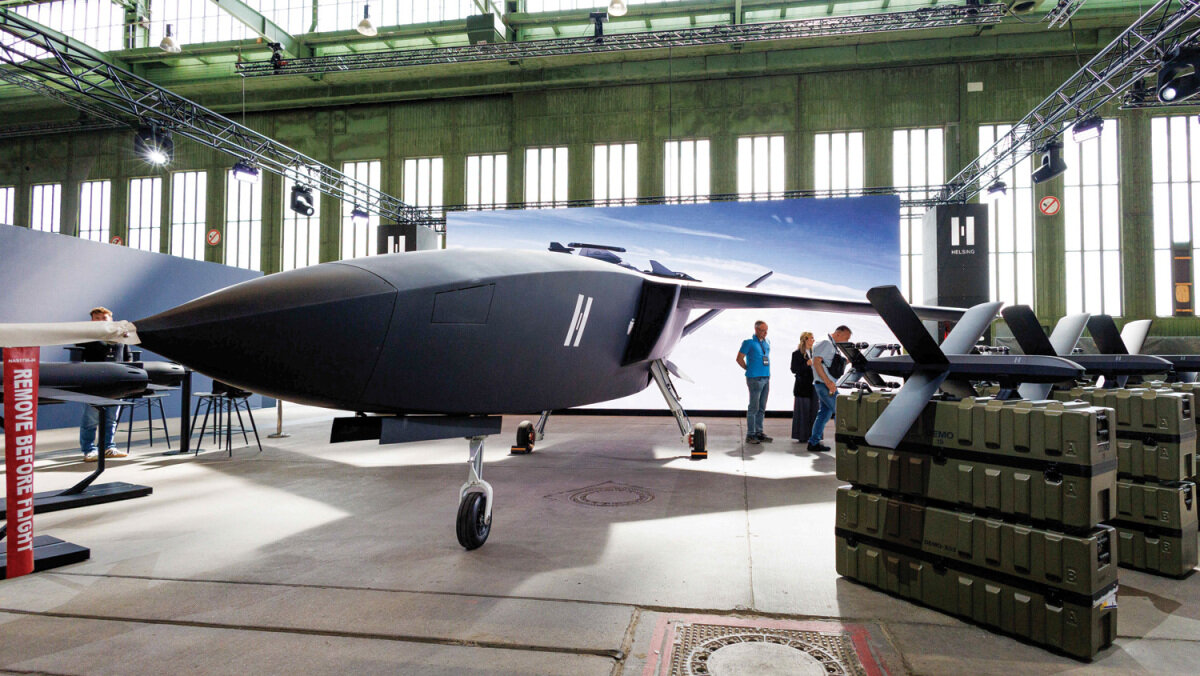
German military start-ups: Munich-based drone-maker Helsing raised $1.8 billion in a Series E round on July 13 and is now valued at $18 billion. Helsing produces thousands of attack drones for Ukraine and improves them with real battlefield data. It also deploys AI-driven drone swarms underwater. Bavaria’s Quantum Systems, which manufactures reconnaissance drones, raised $1.2 billion in a Series D round, valuing the company at around $8 billion.
First foreign base since World War ii: Lithuania collaborated with Germany in World War ii; last year the first permanent military deployment of postwar Germany was set up there. In June, the new German armored brigade in Lithuania held its first combat exercise.
Developing a nuclear arsenal: Germany already has access to U.S. nuclear weapons stationed in its territory, and now it is pursuing access to French ones as well. In March, French President Emmanuel Macron announced that France will guarantee that if Germany is struck by nuclear weapons, France will strike back with nuclear weapons. An unverified Russian intelligence report claimed that Germany has begun extensive preparations to produce its own bomb, which it has the technical capacity to produce in a matter of months.


