

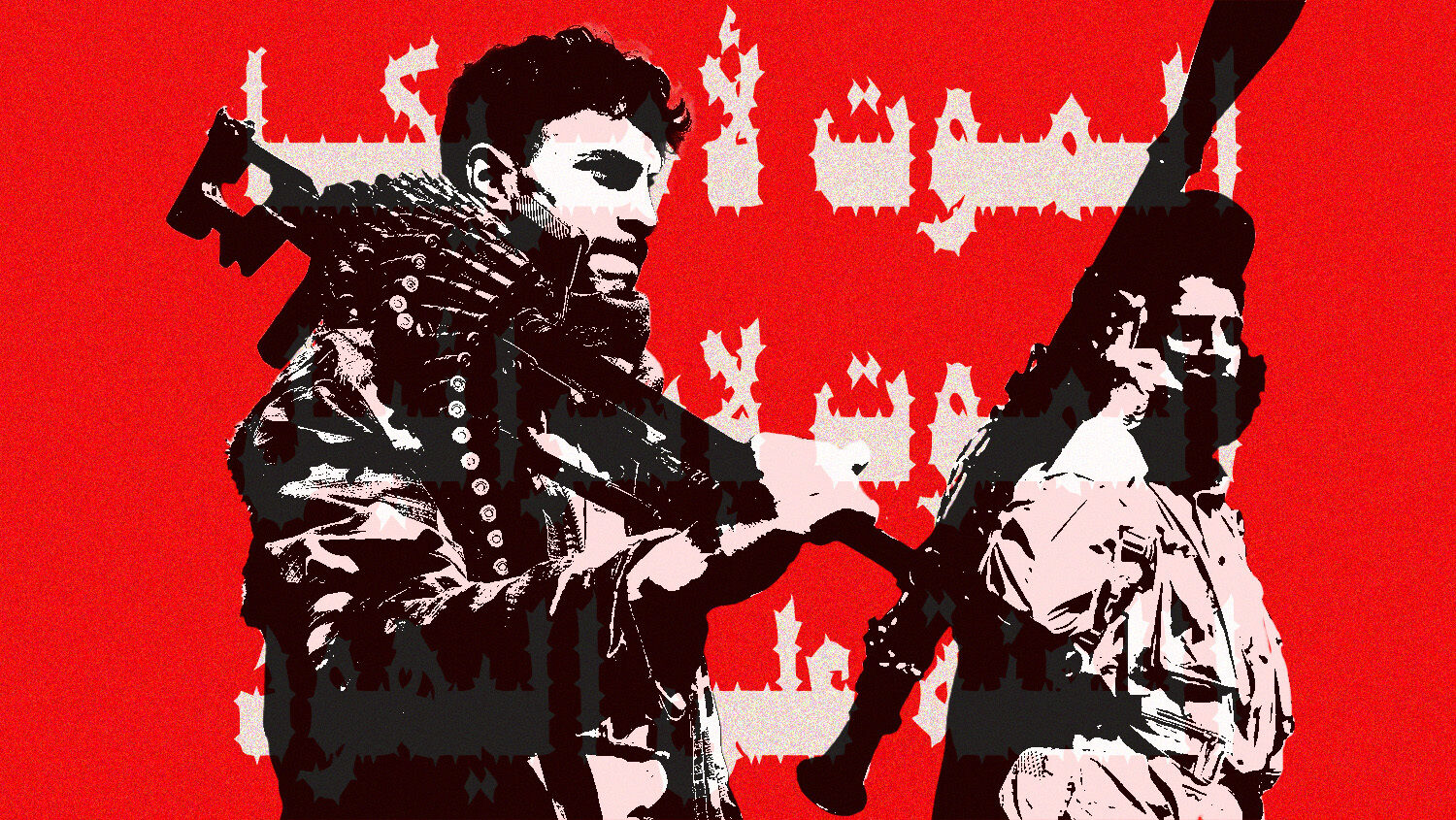
Are the Houthis Entering the Iran War?
Saudi Arabia bombed the Houthi terror group in Yemen on Monday. To this point, the Iranian proxy has stayed out of the wider Middle East war. The strike suggests this may be changing.
- Saudi Arabia struck the airport at Sanaa, the Houthis’ capital, as a flight from Iran was supposed to land there.
- The flight, by the Islamic Revolutionary Guard Corps-linked Mahan Air, was carrying a Houthi delegation from the funeral of Ayatollah Ali Khamenei in Tehran.
- The Houthis retaliated by firing ballistic missiles and drones at a minor Saudi airport.
- Saudi Arabia has previously blocked all flights from Tehran to Sanaa for over a decade.
The United States reportedly supported Saudi Arabia:
- U.S. sources speaking with Axios claimed Saudi Crown Prince Mohammed bin Salman spoke with U.S. President Donald Trump on Friday and obtained his approval for the strike.
- One of Axios’s sources claimed the U.S. believed “the plane was carrying weapons, missile parts and military experts for the Houthis.”
The background:
- Saudi Arabia sponsors Yemen’s internationally recognized government and previously sponsored a military campaign to uproot the Houthis. The campaign ended with a ceasefire in 2022.
- During the war’s previous round of fighting from February to April, Iran regularly targeted Saudi Arabia as an ally of the U.S.
- The Houthis, still recovering from an Israeli campaign against them that ended last year, tried not to get involved in the recent phase of the Iran war from February to April. The strikes suggest Saudi Arabia is worried the war could expand to Yemen.
Trumpet editor in chief Gerald Flurry predicted Iran would leverage control of important choke points in the oil trade, such as the Strait of Hormuz and the Red Sea, which Yemen borders. He based this on Daniel 11:40-43, which prophesy that a “king of the south” will provoke a nuclear world war in “the time of the end” by controlling key territories in the Middle East and Africa. Mr. Flurry identifies this “king” as radical Islam led by Iran. He explains why and outlines Yemen’s importance in his free booklet The King of the South.


