

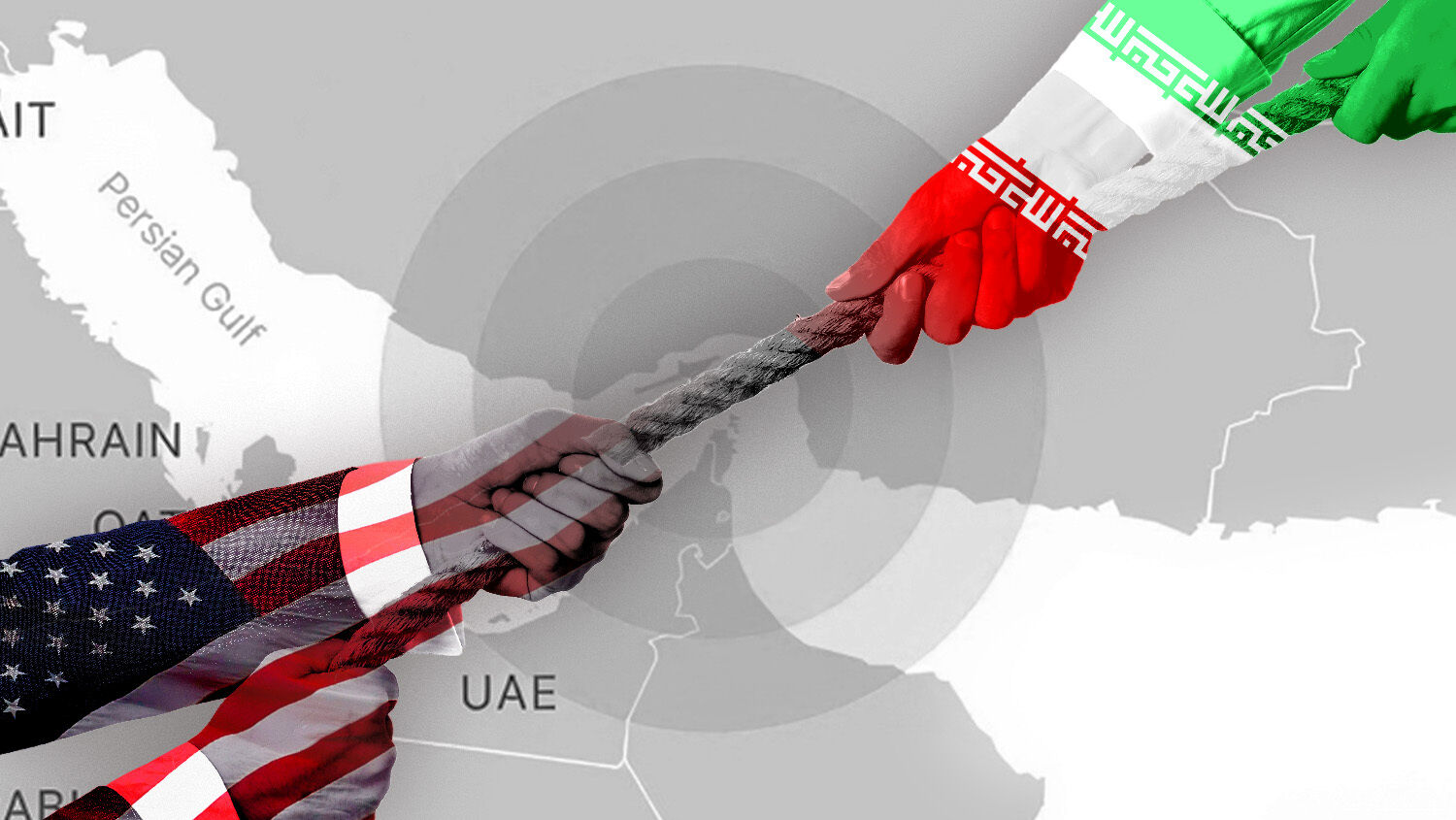
Ceasefire Falling Apart Over Hormuz?
Iran attacked ships and U.S. bases, starting on Thursday, as part of its bid to hold the Strait of Hormuz to ransom.
- An Iranian drone struck a cargo ship Thursday; the U.S. responded with strikes against Iranian missile and drone sites two days later.
- On Saturday, the cycle repeated: An Iranian drone struck a merchant ship, and the U.S. responded with air strikes.
- Around the same time, U.S. President Donald Trump posted on Truth Social: “There may come a point when we are no longer able to be reasonable, and will be forced to militarily complete the job we very successfully started. If that happens, the Islamic Republic of Iran will no longer exist!”
- Iran responded Sunday by launching missiles toward U.S. bases in Bahrain and Kuwait.
- Both sides have paused further strikes, with talks between the U.S. and Iran scheduled to continue tomorrow in Doha, Qatar.
The dispute is over the fate of Hormuz. Iran agreed to open the strait for 60 days with no tolls. The U.S. wants this to pave the way for a return to the prewar, toll-free strait, as dictated by international maritime law. But the Iranians see it as a temporary concession, as they establish the necessary infrastructure to charge ships for passage.
To prepare the way for these future tolls, they want all ships to use an Iran-approved route. They’ve struck at ships that stray outside it.
Daniel 11:40-43 prophesy of an end-time bloc called “the king of the south”—radical Islam led by Iran—which pushes against a German-led “king of the north.” “This push by the king of the south will probably be a clash directly related to Jerusalem, writes Trumpet editor in chief Gerald Flurry. “It could certainly involve cutting off oil to punish the king of the north, over a dispute about Jerusalem.” Iran is learning the power of this policy now. Our free booklet The King of the South explains more.


