

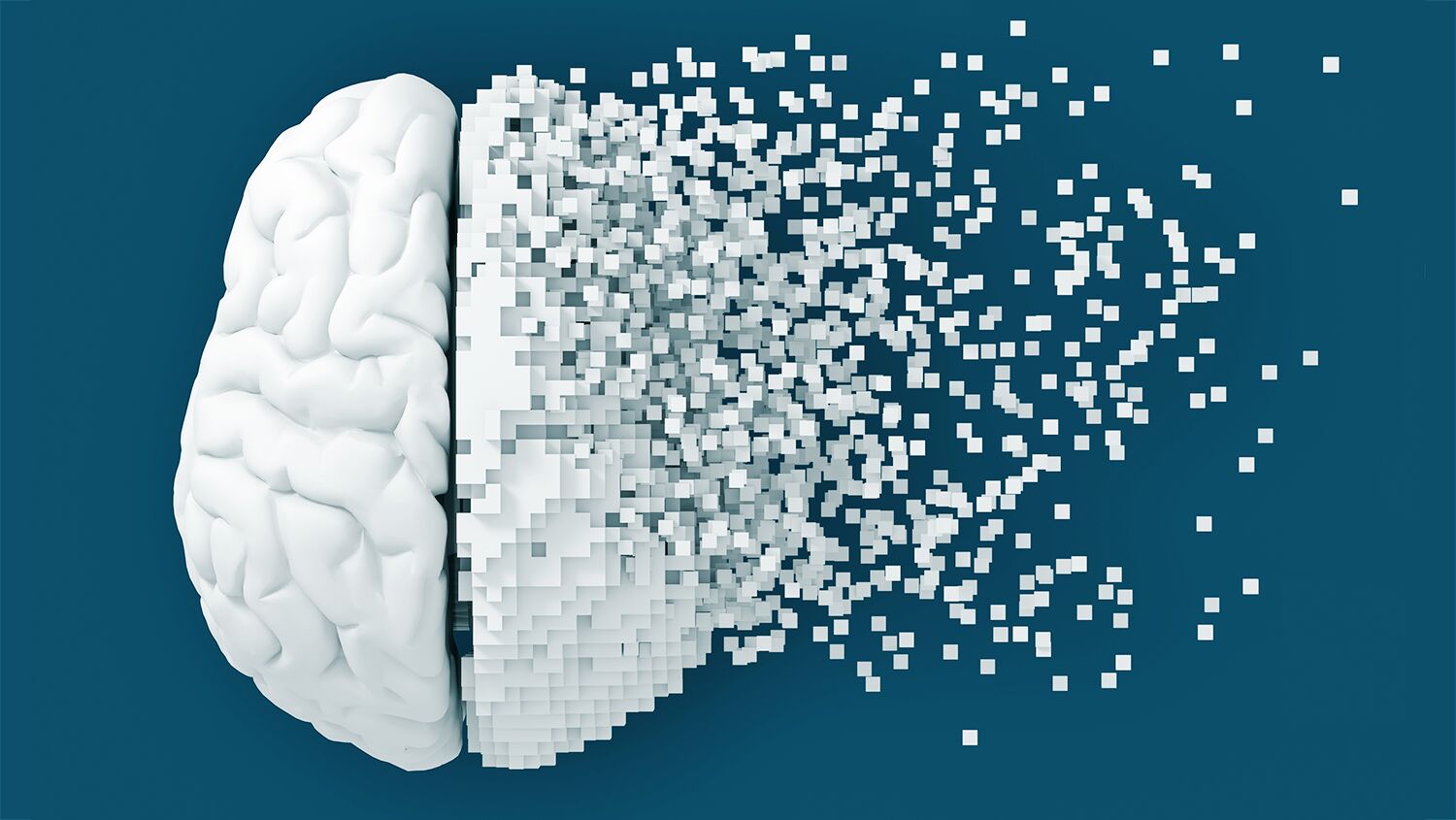
AI Weakens Human Cognitive Skills
A new study shows that using artificial intelligence for as little as 10 minutes can measurably erode human problem-solving skills.
- The study, “AI Assistance Reduces Persistence and Hurts Independent Performance,” was conducted by scientists from Carnegie Mellon University, the Massachusetts Institute of Technology, University of California–Los Angeles and the University of Oxford. It was published in April and is awaiting peer review.
Researchers gave 354 participants fraction arithmetic problems. Participants with access to an AI assistant solved the problems more quickly and accurately than those who did not. Yet when researchers took the tool away, those who used it were less likely to solve subsequent problems than those who never had access to it.
- Just 10 minutes of AI exposure reduced problem-solving abilities, researchers found. They attributed this phenomenon to reduced mental persistence.
“Once the AI is taken away from people, it’s not that people are just giving wrong answers,” coauthor Rachit Dubey noted. “They’re also not willing to try without AI.”
- The study’s conclusion warned, “If brief exposure produces measurable erosion, the cumulative effects of daily AI use over months or years may be profound and difficult to reverse.”
Other studies highlight these concerns. A Northwestern University survey of 394,000 Americans from 2006 to 2018 found that verbal reasoning, matrix reasoning and computational abilities were all in decline. Only spatial reasoning was strengthening.
- This study shows that even before the prevalence of AI chatbots, extensive use of digital interfaces may have been reshaping how the mind works—boosting skills for navigating a cyberworld while eroding real-life problem-solving abilities.
The human mind can atrophy similarly to how muscles atrophy. This is why the world’s smartest people read deeply, take notes by hand, memorize key concepts, and let knowledge compound in their minds.
- Some of history’s greatest thinkers, like John Locke, Thomas Jefferson and Abraham Lincoln, even solved Euclid’s geometric proofs in their spare time simply for the practice of logical deductive reasoning.
In his classic booklet What Science Can’t Discover About the Human Mind, the late Herbert W. Armstrong noted that God gave humanity a “godly-type mind” with the “ability to think, to reason, to make choices and decisions, capable of forming ethical, moral and spiritual attitudes.”
It would be a grave mistake to take this ability to think and reason for granted. Like all skills, it must be honed and sharpened with dedicated practice.


