

Finally—Someone Else Warns About Rearming Germany
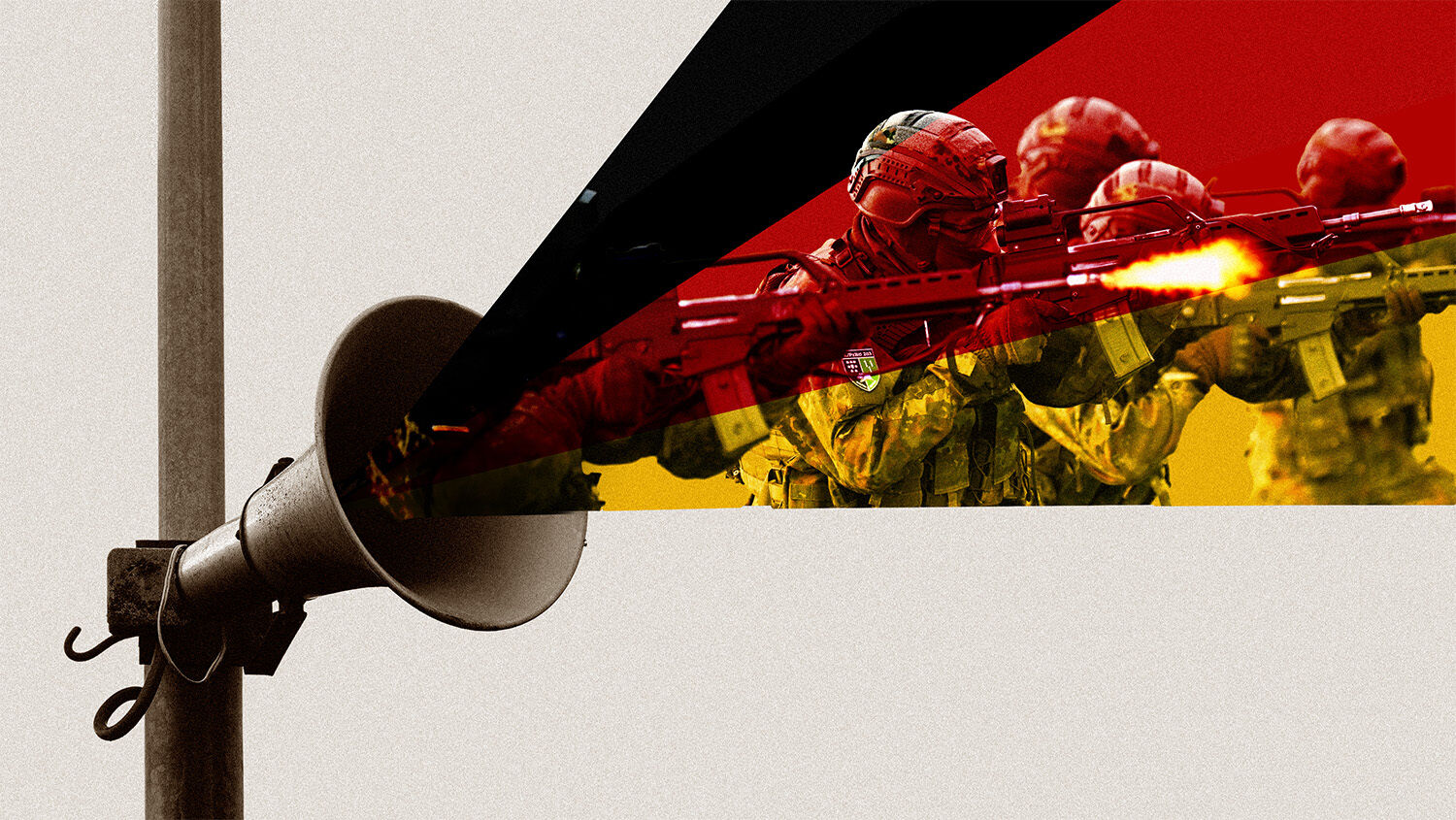
The whole world wants Germany to rearm. “They should be careful what they wish for.” That’s not just the verdict from the Trumpet: It’s also from the March-April issue of Foreign Affairs.
The article covers the same history we talk so often about. After World War i and World War ii, the world looked for ways to stop Germany from ever rearming. But if the current trends continue, Liana Fix from the Council on Foreign Relations writes, Germany “will again be a great military power before 2030.”
- Since the end of World War ii, Germany’s militaristic tendencies have been “subdued, and largely by nato and American hegemony,” but now that America is pulling out, “other European countries are already uneasy about Germany’s military buildup and defense spending.”
- “Analysts who want to understand why Europeans fear German hegemony do not need to look back a century; a decade would suffice,” Fix warns. She points to Europe’s 2010s fiscal crisis, in which debt-burdened EU countries were at Germany’s mercy to receive bailouts and suffered under its harsh austerity measures.
- Another concern is the rise of the far-right Alternative für Deutschland party, which recognizes the German military power as “a tool of national aggrandizement that should be used exclusively to benefit Berlin. … If it wins federal power, the AfD will use the German military exactly as [Margaret] Thatcher feared: to project power against Germany’s neighbors. In the same way that Washington has made once inconceivable claims on Canada and Greenland, an AfD-led Germany might eventually make claims on French or Polish territory.”
Key difference: There is one key difference between the warning sounded by Foreign Affairs and the one issued by the Trumpet for more than three decades and the Plain Truth under Herbert W. Armstrong for more than six decades before us. Fix sees Germany as a threat to its European neighbors but not to the United States. The danger here is that Europe will revert “back to an era of competition and rivalry” and deprive America of its most powerful allies.
The Foreign Affairs solution? Lock Germany up with the “golden handcuffs” of the EU. “Deeper European military integration would constrain German power by subjecting Germany to collective decision-making.”
“You have not anchored Germany to Europe,” Thatcher warned in 1995. “You have anchored Europe to a newly dominant, unified Germany. In the end, my friends, you will find it will not work.”
Fix argues the opposite, failing to see that a united Europe would expand Germany’s power from being a threat to its neighbors to becoming, once again, a threat to the world.
The unseen key: With Europe’s history of hundreds of years of war, Fix probably doubts Europe’s ability to effectively work together and Germany’s ability to dominate the whole thing. She fails to see the role the Catholic Church will play in bringing Europe together and cementing Germany’s dominance in a way that Berlin never could alone.
Foreign Affairs writers have a good understanding of history, so they can see important trends and how they could play out in the future. But if you want to know more precisely what will happen, you need Bible prophecy.


