

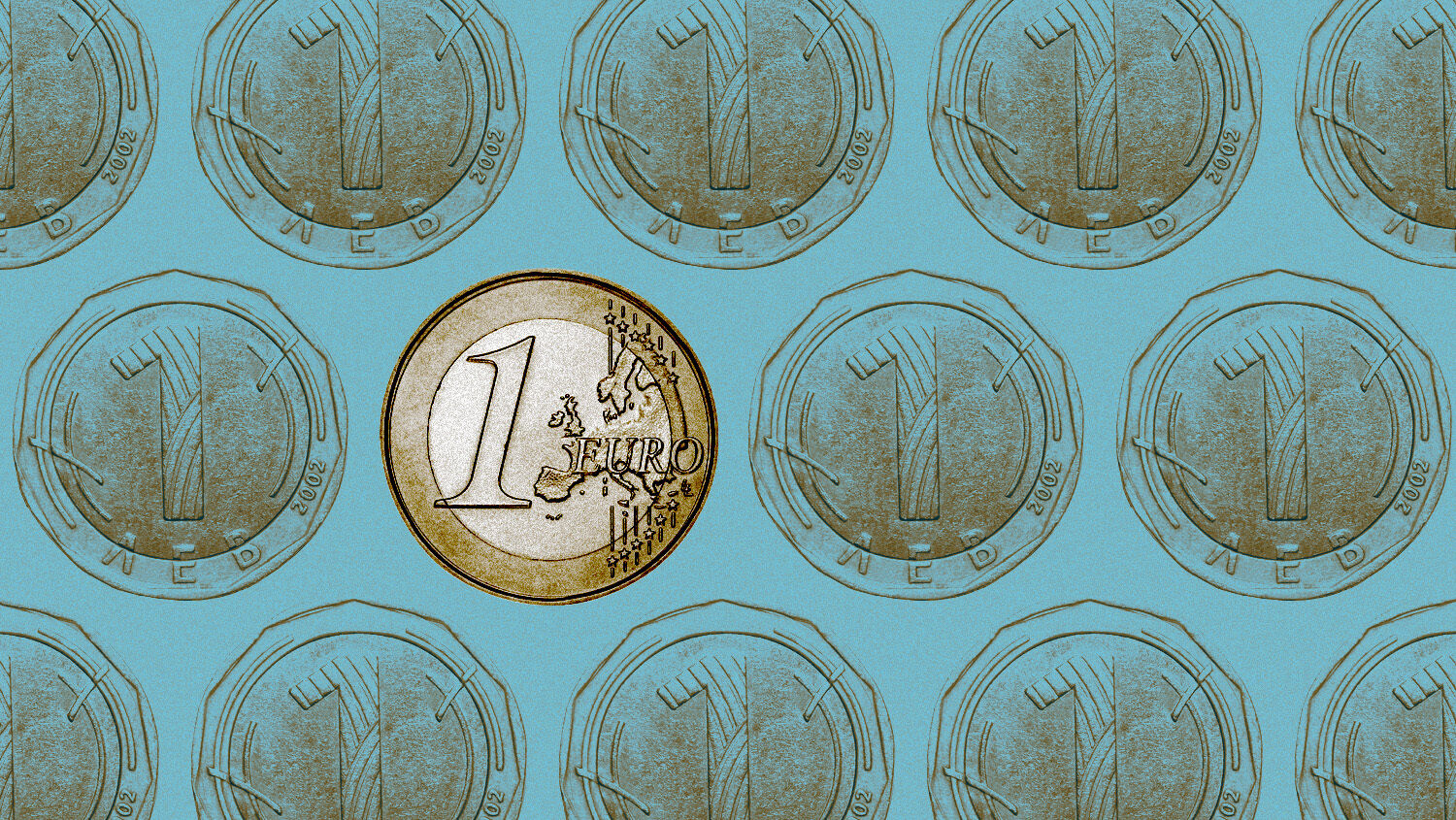
Bulgaria Adopts the Euro
Today Bulgaria replaced its currency, the lev, with the euro and became the 21st member of the eurozone. This cements Germany’s control over the Balkans.
This decision is controversial:
- Nearly half (45 percent) oppose using the euro as Bulgaria’s only currency, according to a Finance Ministry Survey.
- Roughly 51 percent approve.
Many Bulgarian citizens resent the fact that their politicians did not call a referendum for making such a drastic change, and they question the economic advantages. A Bulgarian store owner told Euronews:
Economic indicators improve, but the population becomes poorer … more big businesses profit.
By some measures, Bulgaria is the European Union’s most corrupt country, behind Hungary. Now it can borrow money with greater ease. It’s also the poorest, with an average income of around $20,000 per person—half the EU average. When Greece, a similarly turbulent and debt-happy country, joined the eurozone, it culminated in a major financial crisis. Investors assumed Germany would never allow a eurozone country to go bankrupt.
What’s in it for Germany? Political control. Germany’s guarantee of financial solvency for smaller EU states comes with a price. Bulgaria’s use of the euro extends Germany’s financial power further southward and eastward. As a eurozone member, Bulgaria’s financial policy is now largely controlled by the European Central Bank.
What’s next: The Trumpet forecasts the EU will shrink to 10 nations or groups of nations, based on Bible prophecies found in Daniel 2, Revelation 17 and elsewhere. That implies a major crisis will shrink the 27-member EU and the 21-strong eurozone. In the meantime, the euro will remain a powerful tool for extending Germany’s control.


