

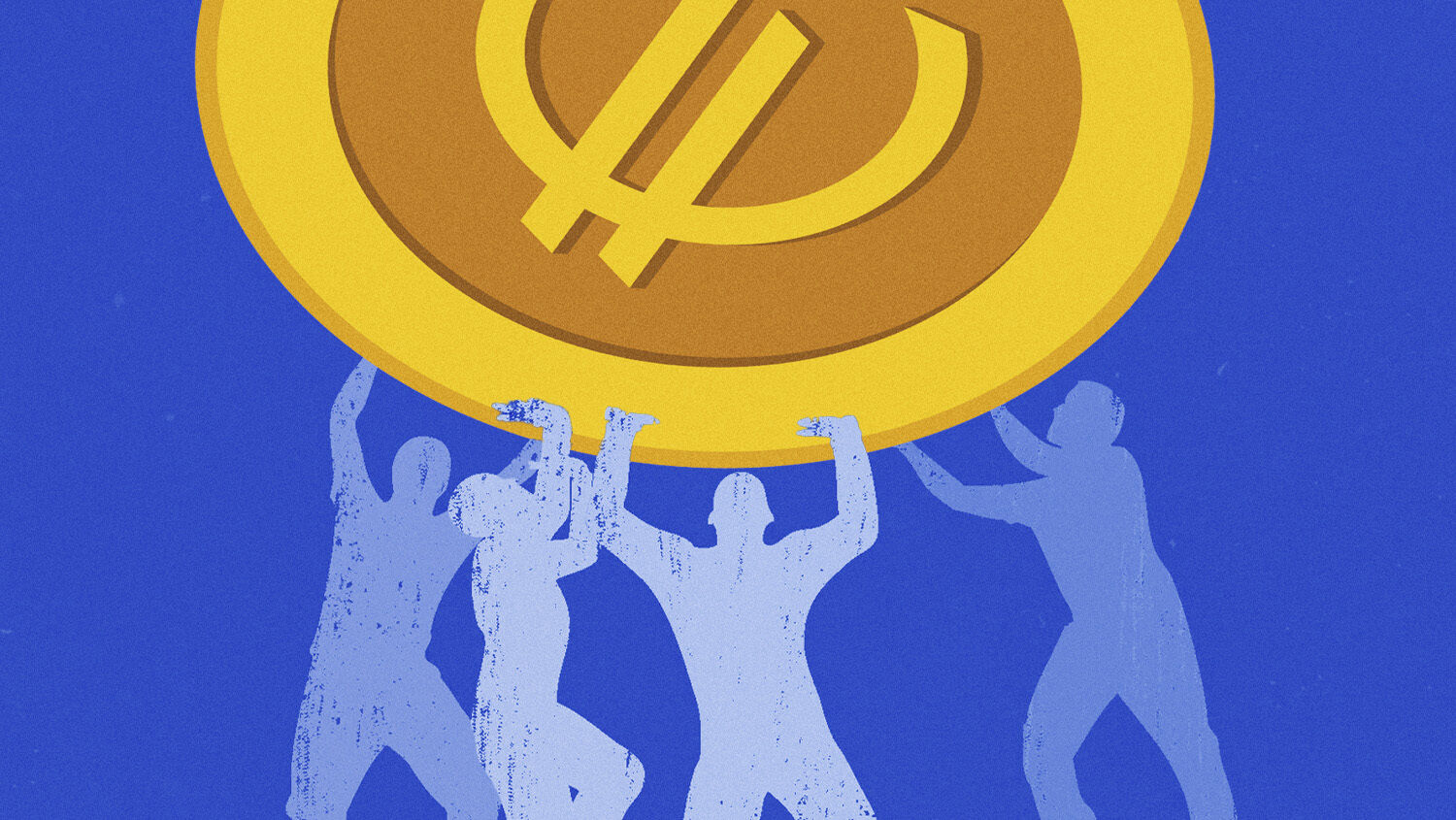
EU Can’t Agree to Seize Russian Assets
The European Union took another step toward becoming a superstate yesterday, but it was obscured by a major failure.
The EU wanted to grab over €200 billion in frozen Russian assets held in Europe, then give that money to Ukraine. This has been the top item on the EU’s agenda for weeks. German Chancellor Friedrich Merz said the EU would be “severely damaged for years” if it fails to follow through. EU foreign-policy chief Kaja Kallas said that Europe “has no plan B.”
Yesterday they failed, and went with plan B.
It is humiliating, but probably a good thing for the EU. If European leaders ever want the euro to become the world’s reserve currency, they cannot go around grabbing the assets of countries they don’t like.
The main reason the effort over Russia failed, though, is a reminder of all the ways the EU falls short of being a superstate:
- Most of the assets they wanted to seize are in Belgium.
- A court or tribunal could rule the EU’s actions illegal. Then little Belgium would have to pay €200 billion by itself, a gargantuan sum for a tiny country.
- Belgium said it would agree only if the rest of the EU promised to share the risk.
- Germany was ready to go along with it; France and others in southern Europe were not.
This illustrates a vital point. Being a superstate is not merely about having a flag, an anthem, a parliament, a court, a president and even something of a constitution, coast guard and diplomatic corps. The EU has all those things already. But on a very boring, practical level, it comes down to shared debt. Are you a union that shares risks and consequences, or is it every nation for itself?
This is why the EU’s plan B is still significant. The EU as a whole will borrow €90 billion and lend it to Ukraine. It’s a shared debt.
During covid, European nations started down this path by sharing some debt. More recently, they agreed to borrow €150 billion to finance defense spending. Now, that trend has accelerated.
Not everyone went along. Hungary, Slovakia and the Czech Republic threatened to veto the whole thing unless they could opt out. This confirms that the EU will have to reduce its number of members to become a superstate.
This underlying reality matches what we discuss in our main story today. World events are pushing the European Union to become a superstate—just as Herbert W. Armstrong forecast, according to Bible prophecy.


