

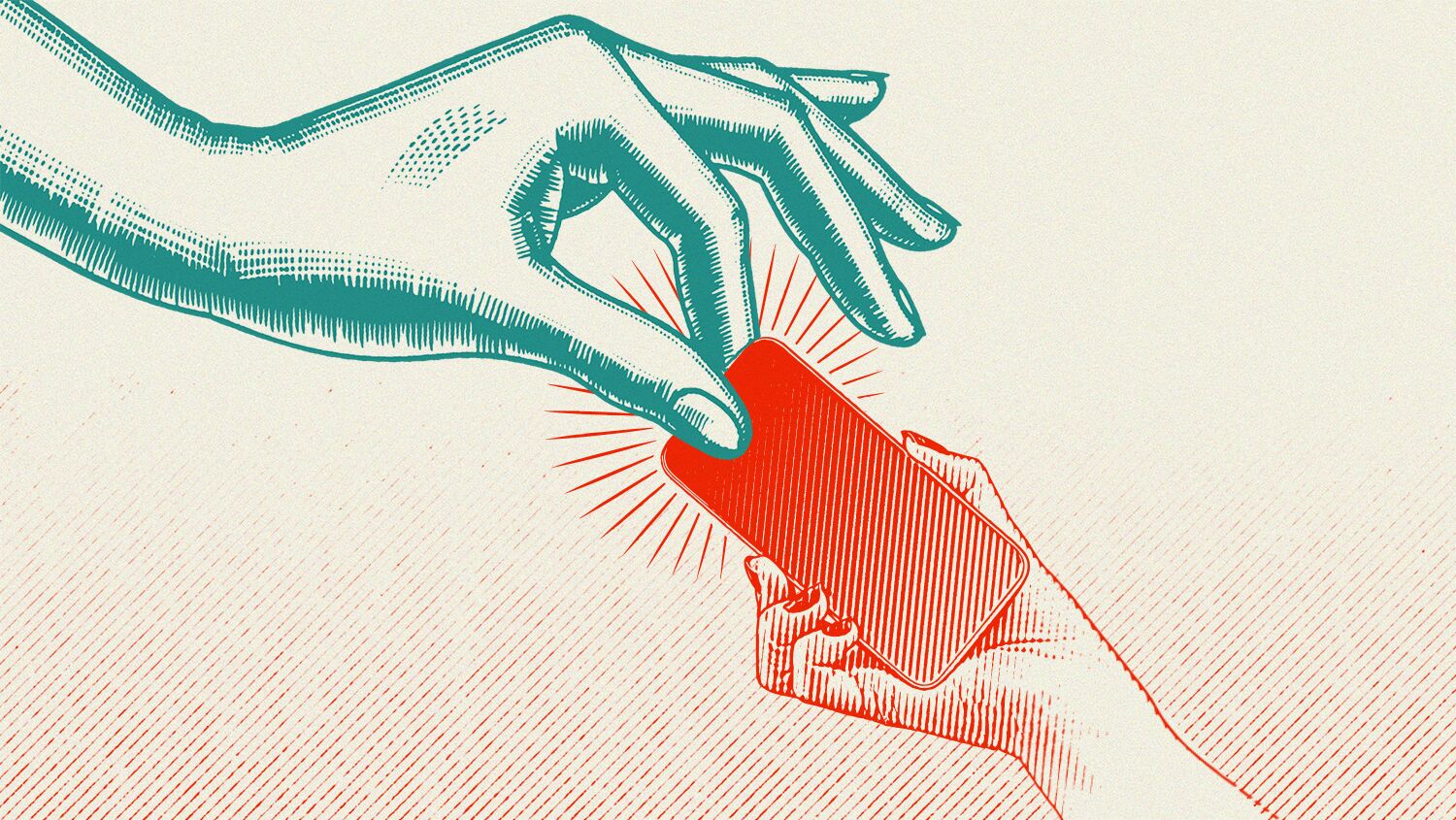
Australia Bans Social Media for Youths
Children in Australia can no longer access social media, as the world’s first nationwide ban came into force today. Hundreds of thousands of accounts have been deactivated, and platforms that fail to take “reasonable steps” to exclude users under age 16 risk fines of up to $33 million per breach.
Social media has been catastrophic for an entire generation of young people.
-
Around 95 percent of teens in the U.S. use social media. Frequent daily users have higher rates of persistent sadness, hopelessness, bullying and suicide risk. Children who are on it for more than three hours a day double their risk of mental health problems. The average teen spends 3.5 hours on social media.
Far too often, parents have failed to protect them, and now a government is stepping up.
Australian children are now banned from having accounts on these platforms, but they are still able to visit and browse them. Messaging apps like Discord and WhatsApp, however, aren’t affected.
- Lemon8, a social media site owned by the same Chinese company that created TikTok, immediately became the most downloaded app in Apple’s Australian App store because it was previously too small to be included in the ban.
- Yope—a Snapchat alternative—was number two, and Coverstar—a TikTok clone—was number three.
- Game platforms or games like Roblox have several options for in-game chat. Roblox, in particular, has been repeatedly exposed as very dangerous for children.
Beyond the law being insufficient and easily circumvented, there are other concerns.
Adults now must prove that they are over 16 to access some of the most commonly used news and discussion forums. They can do this by uploading copies of their passport or driver’s license, or by taking photos or videos, which are analyzed by artificial intelligence.
-
To keep the burden of verification to a minimum, apps will try to determine a person’s age by studying their behavior, but with millions of people each interacting online thousands of times, this demands a lot of surveillance, even censorship. In the UK, for example, news about migrant crime is often hidden on social media and is only shown if someone proves their age. Most people don’t bother.
Australia is also leading the world in the creation of a digital ID system. It embraced some of the world’s most draconian restrictions on free speech and everyday life during covid. No wonder many Australians suspect their government isn’t acting in good faith—and is using a good cause to set up the infrastructure necessary to spy on and police what all its citizens do and say online.
“Read a book and stop scrolling” is good advice from Australian Prime Minister Anthony Albanese. However, the time may soon come when digital surveillance infrastructure will prevent people from reading the truth. The Bible describes a time when the land cannot bear the words of warning coming from the Bible (Amos 7:10); this leads to a famine of God’s word (Amos 8:11). Our article “The Global War on Free Speech” shows how nations around the world are cracking down on what you can say online.


