

Russia Keeps Boosting Iran’s Military
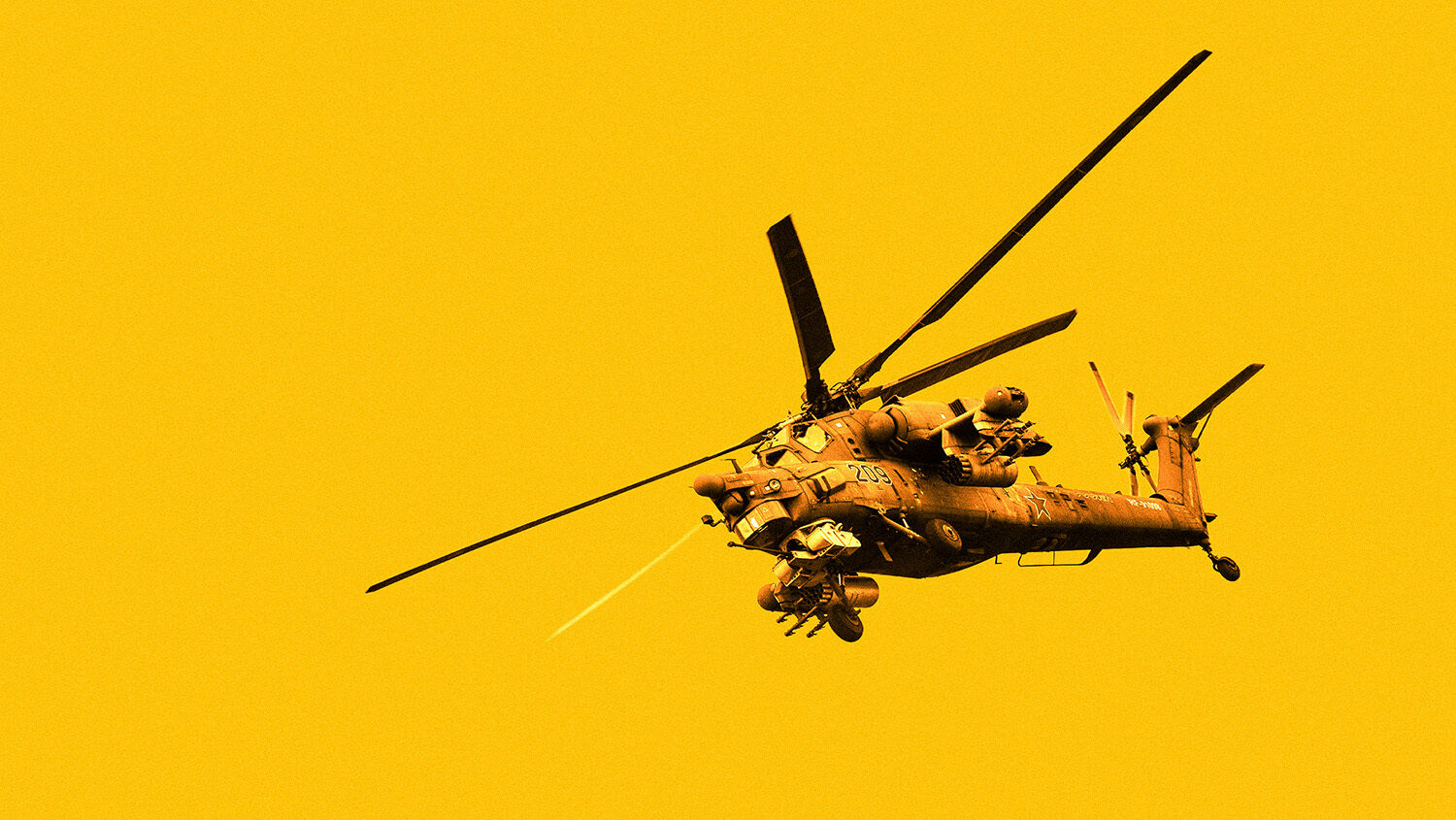
Russia deepened its cooperation with Iran by approving a deal to supply the nation with 90 advanced helicopter-launched guided missile systems, the Financial Times reported today. The paper said the order stipulated that Russian manufacturer Vympel would supply the systems to “K-10,” a Russian code name for Iran, from 2024 to 2025.
- Traveling at 755 feet per second, the missiles are considerably faster than drones and can strike targets much quicker.
- The weapons support a “shoot-and-scoot” approach, allowing helicopter crews to fire from a position and quickly withdraw before enemy forces can respond.
- Russia deploys these systems aboard its Mi-28 attack helicopters, dozens of which it has also sold to Iran.
Aiding Iran’s war effort: Though this agreement predates the U.S.-Iran war, it takes on added significance in light of the military and intelligence support Russia has provided Iran during the conflict. That support has taken several forms:
- Targeting intelligence: Russia has shared information on the locations of American warships, aircraft and military installations in the Middle East, helping Iran identify high-value targets.
- Satellite surveillance: Russian satellites have photographed U.S. and allied military bases, air-defense installations and other strategic sites across the region and shared that imagery with Iran.
- Cyberwarfare: Russian and Iranian hacking groups have reportedly coordinated cyberoperations targeting critical U.S. infrastructure and telecommunications networks in the Middle East.
- Drone technology: Russia has supplied advanced fiber-optic drone components and technology to improve Iran’s ability to conduct drone attacks.
- Weapons training: Russia has continued its preexisting military training of Iranian forces, including fighter aircraft and pilot training, according to the Middle East Institute.
These agreements demonstrate that even while devoting enormous resources to its own war, Russia continues to find ways to make the Iranian military deadlier against the United States and its interests.
“It is indicative of Russia’s willingness to continue supplying Iran despite its own wartime demands and with far less concern about Western objections than in the past.”
—Nicole Grajewski, nonresident scholar at Carnegie Endowment for International Peace
U.S. President Donald Trump has vowed “tremendous” consequences for countries that continue trading with Iran during the war. Yet Russia is going considerably further, supplying Iranian forces with intelligence, training and weapons to use against Americans.
Will Russia’s continued support for Iran make it harder for Trump to keep giving Vladimir Putin, whom he has treated with unusual deference, yet another pass? Regardless of how the president and the U.S. respond, Russia’s bold and lethal actions involving Iran further reveal the deadly character of the prophesied “prince of Russia.”


