Iraq Has Fallen to Iran
Iraq Has Fallen to Iran
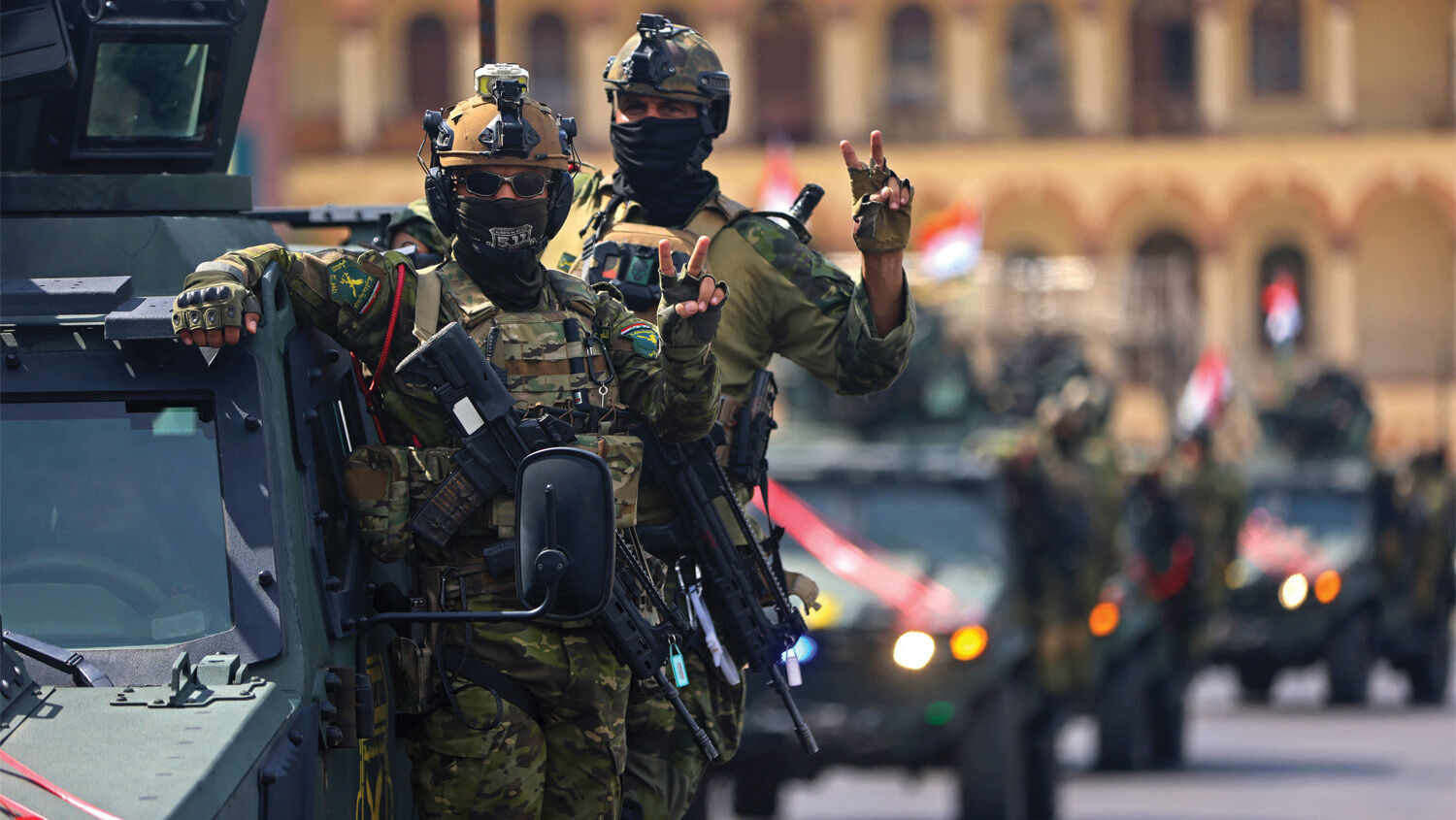
“A nation reclaims its destiny,” Rear Adm. Liam Hulin said in Arabic as the United States military completed its withdrawal from Iraq on September 30. Fulfilling a 2024 pledge by his predecessor, Joe Biden, President Donald Trump removed the last 2,500 personnel of Operation Inherent Resolve from Iraqi Kurdistan. While America pledges to continue training Iraqi groups, the U.S. mission to Iraq has ended.
September 30 was also the deadline Iraqi Prime Minister Ali al-Zaidi set for Iran’s proxy militias to hand over all their weapons to the Iraqi government. But days before that deadline, he announced a new deadline: June 2027.
America left, but Iraq hasn’t “reclaimed its destiny.” The U.S. can frame the withdrawal any way it likes, but it amounts to surrendering Iraq to Iran.
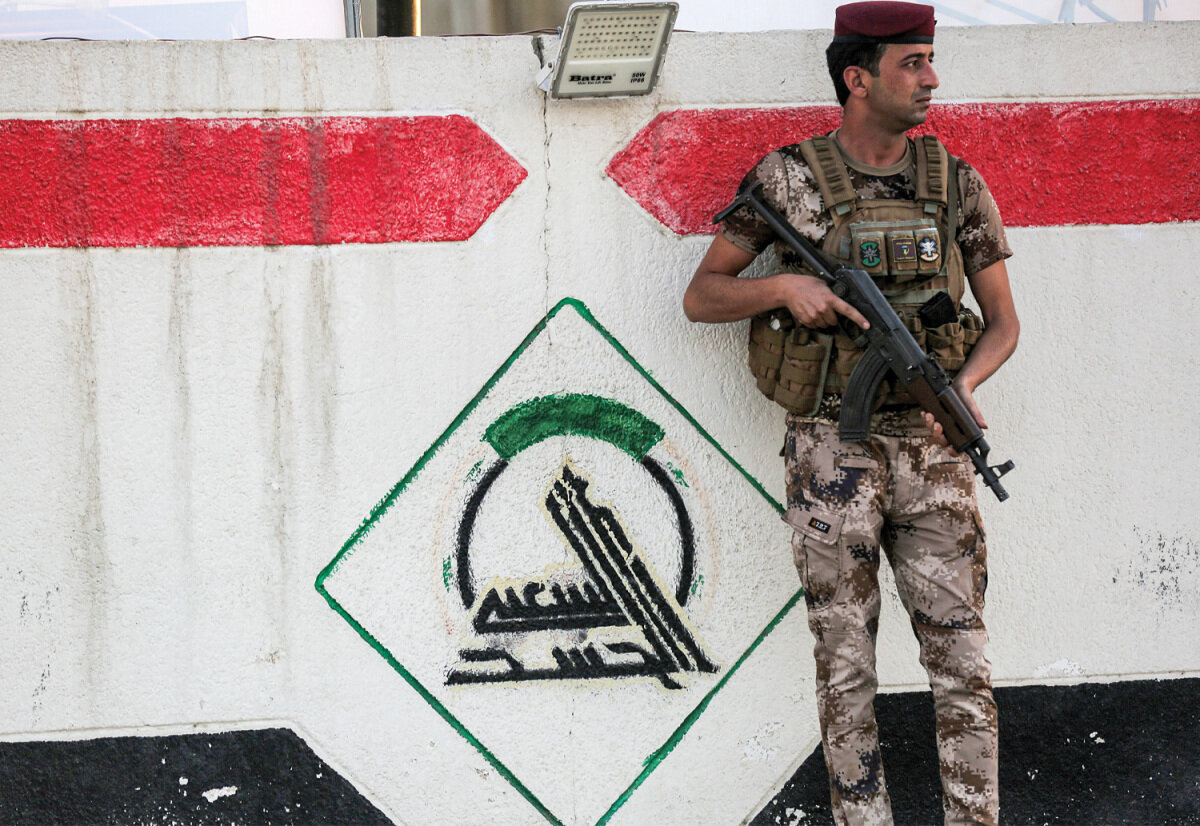
The militias, collectively known as the Popular Mobilization Forces (pmf), have resisted calls for their disarmament without the complete removal of American influence over Iraq’s policies. Responding to Zaidi’s new deadline, Abdul Qadir Karbalai, a deputy leader of the Harakat al-Nujaba militia, said on October 21 that these are “sacred weapons of resistance” and that “disarmament” is not in his militia’s vocabulary.
These militias, technically grafted into Iraq’s armed forces 12 years ago, openly profess loyalty to Iran. They have actively fought for Iran for years, including the current conflict. They drape the Iranian flag over the coffins of their fallen fighters. They publicly pledge allegiance to Iranian Supreme Leader Mojtaba Khamenei.
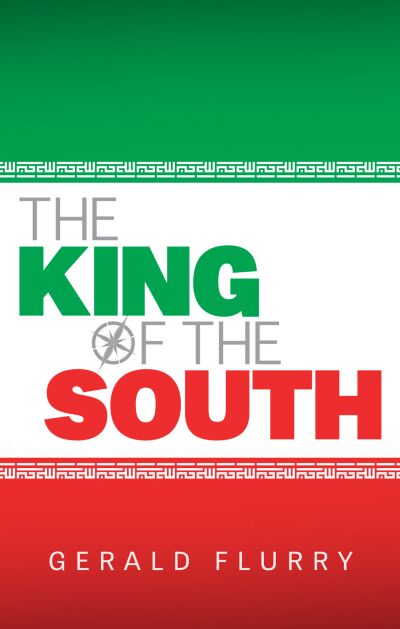
pmf fighters represent Iran’s most blatant means of controlling Iraq. The pmf also has a number of politicians who have achieved success in Iraqi elections. Meanwhile, Iran’s and Iraq’s economies remain heavily intertwined: International sanctions have exempted Iraq, allowing it to do business with Iran that other nations cannot. Plus, both populations are majority Shiite Muslim, linking the barely functioning Iraqi republic to the radical regime of Iran. Trumpet publisher Gerald Flurry forecast such heavy influence—and more—by Iran on Iraq, all the way back in 1994.
Then and Now
As Mr. Flurry stated then and has consistently maintained, the recent past, present and imminent future of Iraq is revealed in Bible prophecy.
Daniel 11:40-43 describe a clash between a “king of the south” and a “king of the north” at “the time of the end.” Mr. Flurry has asserted since the mid-1990s that this king of the south corresponds to a modern Islamist bloc led by Iran. And he has maintained the late Herbert W. Armstrong’s identification of a united European power led by Germany as the king of the north. Combining Daniel 11, a related prophecy in Psalm 83 and geopolitical analysis, Mr. Flurry foretold that Iraq would not only cease being a bitter enemy of Iran but become subservient to it.
In the December 1994 Philadelphia Trumpet, in an article titled “Is Iraq About to Fall to Iran?” Mr. Flurry wrote: “The most powerful [Islamic] country in the Middle East is Iran. Can you imagine the power they would have if they gained control of Iraq, the second-largest oil-producing country in the world? … When the king of the south clashes with the king of the north, the European king of the north is victorious. … The clash of these two kings would be hastened greatly if Iraqi oil were to fall into the hands of Iran. Germany and Europe are almost totally dependent on the Middle East for oil. The U.S. strategists said they left Saddam Hussein in power to prevent Iran from possibly ruling Iraq. Now the U.S. and [United Nations] embargo may achieve the same undesired result. Iraq could easily fall—and soon!”
Iraq in 1994 was still under the iron-fisted rule of socialist dictator Saddam Hussein. He had sent the world scrambling four years earlier when he invaded and occupied Kuwait. He sponsored Palestinian terror groups. He openly used weapons of mass destruction in warfare. In 1980 he launched a devastating war against Iran that lasted eight years. To many, Hussein’s Iraq—not Iran—looked like the Middle East’s most dangerous imperialist. The U.S. launched and ended the first Gulf War, almost certainly intentionally, to degrade but to also conspicuously preserve Iraq’s power as a counterbalance to Iran.
But in 2003, everything changed for Iraq and for the Middle East. The U.S. again invaded Iraq and this time toppled Hussein’s regime and occupied the country. The U.S. Army stood to Iran’s west, as well as to its east after the 2001 invasion of Afghanistan. Some even said Iraq could become an American “colony.”
Yet in the June 2003 Trumpet, Mr. Flurry doubled down on his prediction: “Now that Iraq has been taken out of the picture, Iran is even closer to becoming the reigning king of the Middle East. It may seem shocking, given the U.S. presence in the region right now, but prophecy indicates that, in pursuit of its goal, Iran will probably take over Iraq. At least, it will have a heavy influence over the Iraqi people. … Saddam Hussein was the only leader that Iran feared. Now the U.S. has taken him out of the way. But does America have the will or strength to guard the spoils of war? Prophecy states that it does not.”
American forces left in 2011 but returned in 2014 as head of a multinational coalition to defeat the Islamic State terror group, which was quickly gaining territory for its new “caliphate.” It was during this time that the pmf formed—to fight the Islamic State. Astoundingly, President Barack Obama welcomed these Iran-controlled militias as co-liberators.
Soon after President Obama renewed the mission to Iraq, the September 2014 Trumpet issue stated, “[E]xpect Iran to increase its control over Iraq and its government. Expect more chaos as Iran leverages its influence through radical Islamic terrorists. And expect the ‘king of the south’ to emerge substantially empowered, awash with more oil, power and weapons than ever.”
Looking at Iraq today, it is clear these forecasts have been fulfilled.
Amazingly, this development has attracted little attention, let alone concern or action. Analysts today routinely speak of Iranian dominance over Iraq as a given, almost as if that has been a long-standing status quo.
Not long ago, the dispositions of Iraq and of Iran appeared bound for the exact opposite outcome. But Mr. Flurry’s analysis based on Bible prophecy has proved correct.
God’s Hand
For most of the 20th century, Herbert W. Armstrong, publisher of our predecessor magazine the Plain Truth, made Bible-based forecasts on world events affecting the lives of millions. Millions read his articles in the Plain Truth and watched him on The World Tomorrow. Mr. Armstrong died in 1986, but 40 years later, the forecasts he made are being fulfilled, or—as in the case of Britain leaving the European Union—have been fulfilled. Since 1990, Mr. Flurry has continued Mr. Armstrong’s legacy in the Philadelphia Trumpet, covering the same prophecies Mr. Armstrong spoke on and adding new understanding of these prophecies.
Prophecy can be hard to understand. “It is written in symbol, using ancient names and unfamiliar terminology,” the introduction to He Was Right reads. “Thus, most people—even those who value the Bible—pay it little attention. This is a mistake. God intends prophecy to be understood—it is His tool revealing His part in steering world affairs!”
Some Christians may take no special interest in world affairs. But in reality, it is one of the best subjects to teach how the Bible is relevant for you—today—whatever part of the world you’re in. This is the ultimate reason why what is happening in Iraq and around the world is important to you. It proves God’s hand in world events.