

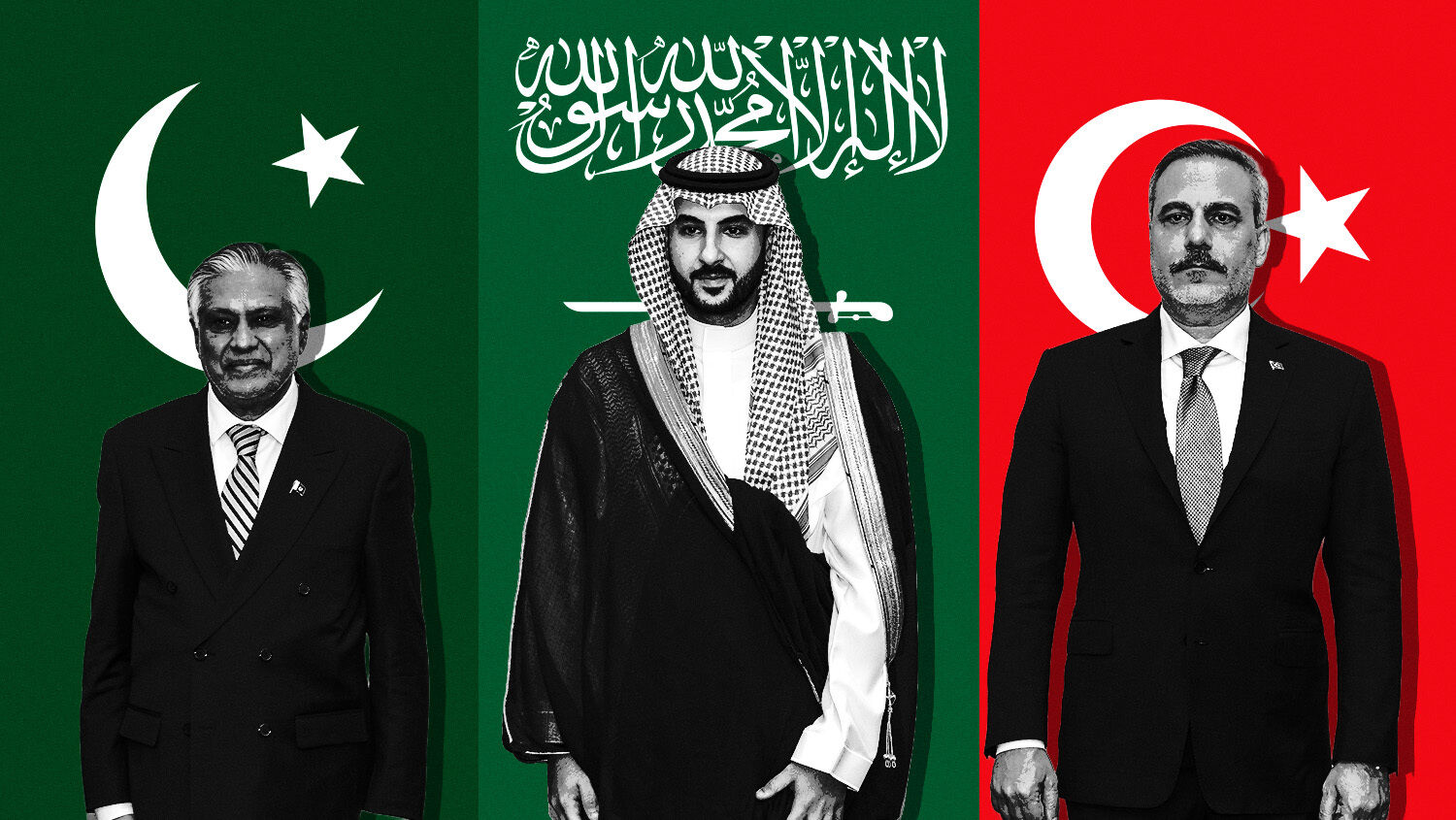
‘Middle East NATO’ Gets Activated
On Monday, Turkey and Pakistan activated their mutual defense clause with Saudi Arabia to protect the Saudis from Houthi terrorists. Turkish President Recep Tayyip Erdoğan has sent air defense systems, while Pakistan has sent thousands of troops, Turkish media report.
- The Houthis, a Yemen-based Iranian proxy, have been targeting Saudi shipping in the Red Sea for months. This is in retaliation for Saudi Arabia’s alleged support of the United States’ campaign against Iran.
- Saudi Arabia, Pakistan and Turkey signed the Mecca Agreement on August 7—essentially a “Middle Eastern nato,” where an attack on one was an attack on all. While no country specified any particular enemies, the circumstances suggested the alliance’s purpose is to counter Iran.
Are the Houthis finished? Saudi Arabia borders Yemen and has yet to dramatically intervene against the Houthis. It is unlikely Pakistan and Turkey are planning for full-scale warfare anytime soon.
- Geopolitical Futures’ analysis was that Turkey is trying “to bolster its military power but also avoid the riskiest part of this conflict by not engaging directly in the fighting in Yemen.”
The alliance’s activation shows the three Sunni Muslim powers are serious about each other’s security. Two of the three have nuclear weapons, and Saudi Arabia is actively developing a nuclear program.
The Trumpet wrote on August 12: “The alliance’s existence suggests all three countries see Iran as a potential threat—serious enough to literally threaten the nuclear option.”
Pakistan, Saudi Arabia and Turkey just activated the alliance against the Houthis. It may not take much more provocation to trigger it against Iran itself.


