

Will Iran Draw Europe Into the War?
Southeastern Europe could become an attractive target for Iran, Armida van Rij, a senior fellow at the Centre for European Reform, told Aljazeera August 21. The region “is the soft underbelly of Europe as it is strategically important, hosting a number of nato bases and key supplies to Ukraine and being on the Black Sea.”
On August 24, the Financial Times cited two insiders who said Iran has considered attacking military targets in Europe if United States President Donald Trump escalates the war. Potential targets are Cyprus and Bulgaria, which host military bases used by the U.S.
Right now European countries are focused on slowing Russia’s advances in Ukraine. An Iranian attack would split Europe’s attention and resources, which could favor Russia—one of Iran’s closest allies.
Such an attack might trigger “a much wider and more dangerous war with serious international economic and security consequences,” said analyst Ali Bakir of the Middle East Council on Global Affairs.
There are signs that Iran is not only threatening Europe but preparing for a conflict.
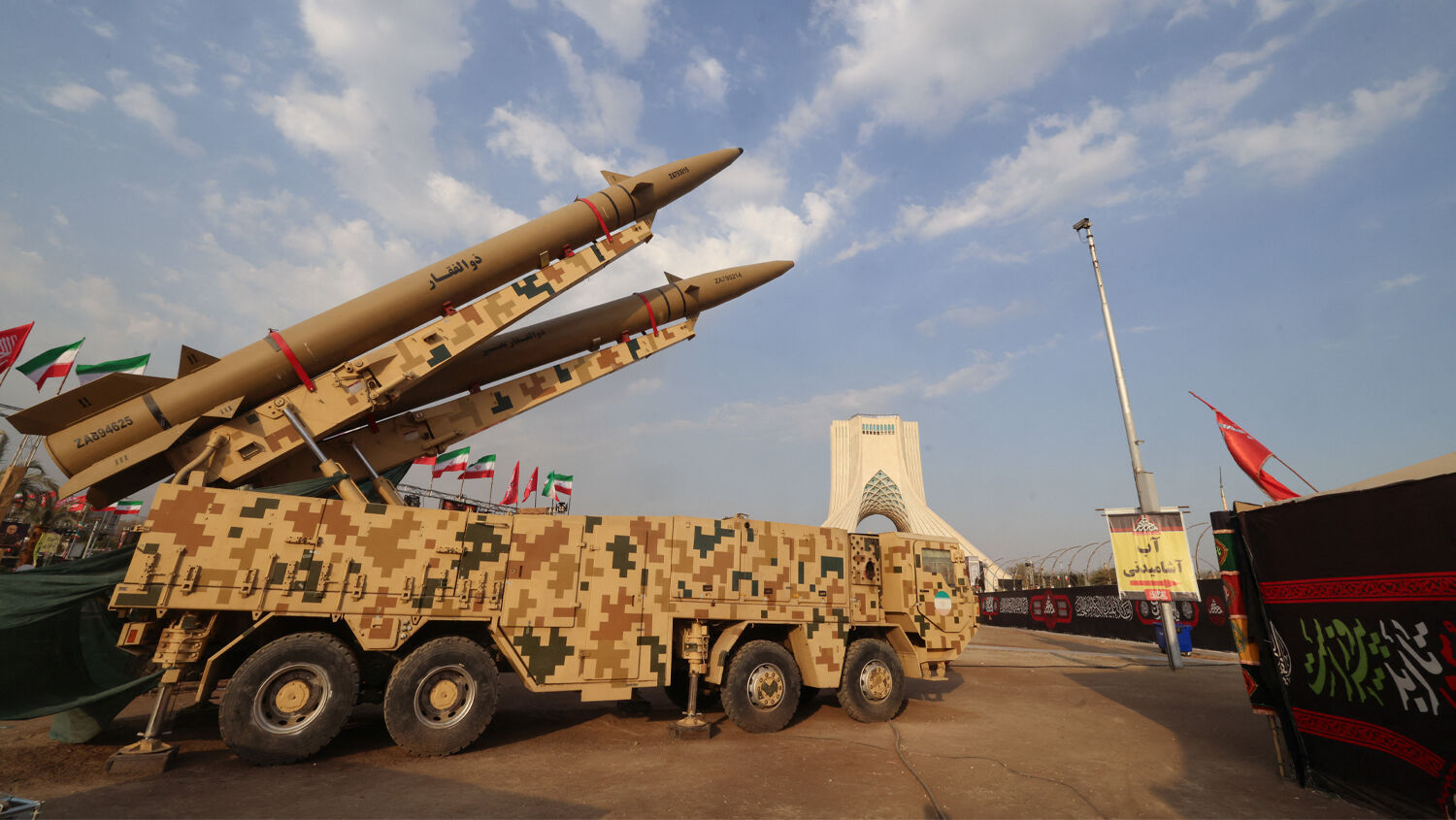
In March, Iran demonstrated its ability to reach most of Europe with missiles: It launched two missiles at the Diego Garcia military base, over 2,000 miles from the Iranian coast in the Indian Ocean.
One insider told the Financial Times that Iran’s July attack on a U.S. base in Jordan was “a message to Europe: It can receive missiles, so it should know where it should stand in this war.”
The attack killed three American service members and was Iran’s most accurate long-range attack to date. Jordan is also a close ally of the European Union. So Iran’s attack was a double provocation toward Europe.
In 2023, Germany’s ambassador to Jordan said, “Seventy years of diplomatic relations have shown that Germany and Jordan can rely on each other in times of need.”
In recent years, Bundeswehr units have been stationed in Jordan in the fight against the Islamic State. Jordan also served as a base for German pilots to drop aid packets into Gaza.
By attacking Jordan, Iran is sending a strong warning to Germany.
These developments align with what the Bible reveals about end-time conflicts.
Psalm 83 indicates that “Jordan is going to be a source of contention … between Iran and the German-led European superpower,” Stephen Flurry explained in the Trumpet Daily on July 27.
Daniel 11:40 prophesies of a clash between “the king of the north” and “the king of the south”—a German-led Europe and radical Islam led by Iran. Psalm 83 reveals who Germany’s allies will be.
Psalm 83:8 reads in the Amplified Bible: “Assyria also has joined with them; They have helped the children of Lot [the Ammonites and the Moabites] and have been an arm [of strength] to them. Selah.”
Our January 2012 Trumpet explained, “Moab and Ammon were the sons of Lot by his daughters. During the time of King David and Solomon, Moab and Ammon created kingdoms in the territory of modern-day Jordan. Even today the name of the capital of Jordan, Amman, can be traced back to Ammon.”
Assyria refers to modern Germany, as explained in our booklet Germany and the Holy Roman Empire.
Stephen Flurry went on to explain: “So the whole passage … shows that Germany’s not only leading this alliance of more moderate Arab states, it’s also providing strength for Jordan.”
This could mean Germany will come to Jordan’s aid in a conflict with Iran.
But it will do much more: “And at the time of the end shall the king of the south push at him: and the king of the north shall come against him like a whirlwind, with chariots, and with horsemen, and with many ships; and he shall enter into the countries, and shall overflow and pass over” (Daniel 11:40).
Stephen Flurry said: “Germany is about to lead the way in finally confronting the menace that is in Tehran, coming against the king of the south like a whirlwind with blitzkrieg warfare. It’s in their history. “
Iran’s threats to Europe and its Middle Eastern partners are hastening the fulfillment of these prophecies, which are explained in Trumpet editor in chief Gerald Flurry’s free book The King of the South.


