

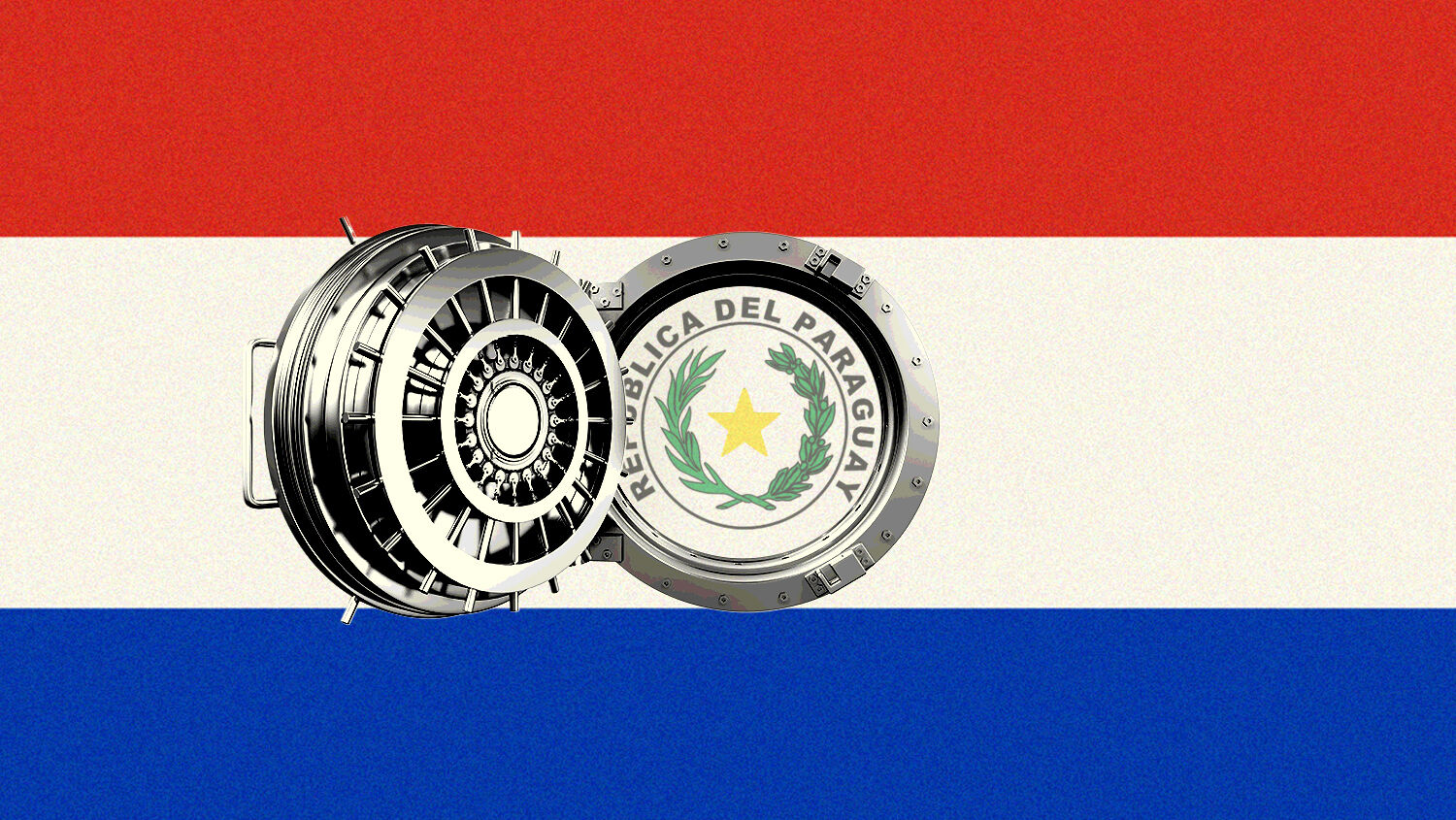
When a Government Shuts Down a Bank
Paraguay’s Ueno bank was taken over and dissolved by the nation’s central bank early Tuesday morning after authorities discovered it didn’t meet solvency requirements.
- The move froze the accounts of nearly 3 million customers—representing roughly 60 percent of Paraguay’s adult population—and triggered a political crisis that led to mass street protests and the resignation of President Santiago Peña.
Regulators found that the bank had made high-risk loans to its owners, expenses had been labeled as assets, and other questionable accounting practices meant the bank’s real assets equated only half those required by law.
President Peña resigned yesterday due to accusations of corruption, as he once indirectly held a stake in the bank and appointed the leader of its predecessor organization as head of the central bank. He is also accused of potentially covering up the bank’s issues.
- He resigned minutes before Paraguay’s lower house voted unanimously to impeach him.
- Authorities arrested seven Ueno executives as well as its founder, charging them with attempted fraud and breaching public trust.
Paraguayans fled to stablecoins denominated in U.S. dollars, such as Tether, which increased in value as much as 13 percent in the aftermath.
While the U.S. dollar has been regarded as safe by international banks and investors, Bible prophecy warns that it will collapse and take individuals, institutions and nations down with it. The unrest and fallout within the small nation of Paraguay is a small foretaste of the broad chaos we can expect to explode within the United States soon on a spectacular scale.


